Why hospitality brands need to stop treating room images like decoration
Most hospitality brands do not think their room photos are doing sales work. They think the images are there to show the bed, the bathroom, the view, the furniture, the amenities, and the size of the space.
But guests are not looking at room photos that casually. They are studying them.
Before a guest books a hotel, guesthouse, resort, Airbnb, or boutique stay, they are trying to reduce risk. They are asking themselves whether the experience will match the price, whether the room will be clean, whether the space feels comfortable, whether the images are honest, and whether the brand can be trusted.
That means your room photos don't show what's there. They are quietly deciding whether someone feels safe enough to book. This is where many hospitality brands lose people before check-in. Not because the property is bad, or the rooms are not beautiful, or the service is weak. Sometimes the problem is simpler: the images do not carry enough trust.
Guests treat room photos like evidence
Most hotels treat room images like decoration.
Guests treat them like evidence.
A potential guest is not only thinking, “That looks nice.”
They are thinking:
Does this room feel clean?
Does the room justify the price?
Is the space as big as they say it is?
Does the lighting make the room feel comfortable?
Are the photos recent?
Are they hiding something?
Can I imagine myself staying here?
Will I feel disappointed when I arrive?
That is the part hospitality brands need to take seriously.
A guest is not only booking a bed. They are making a decision with uncertainty. They have not touched the sheets. They have not walked into the room. They have not seen the bathroom. They have not tested the service. They have not experienced the atmosphere.
So the images have to do some of that trust-building in advance.
Good hospitality photography reduces doubt.
Bad hospitality photography creates it.
A room image is part of the sales process
There is a dangerous mistake in hospitality marketing: treating photography as something that happens after the real business work is done.
The property is built.
The room is styled.
The listing is created.
The website is updated.
Then someone says, “We need some photos.”
But the photos are not an afterthought.
They are part of how the guest understands the value of the stay.
A strong room image helps a guest move from curiosity to confidence. It shows the room clearly, but it also communicates something deeper: this place has been considered. The business pays attention. The guest experience has been thought through.
A weak room image does the opposite.
Dark lighting, awkward angles, old bedding, cluttered corners, inconsistent editing, poor composition, and unclear room layouts not only make the image less attractive. They make the guest question the experience.
And once a guest starts questioning the experience, price becomes harder to justify.
That is why room photography is not just a creative decision. It is a commercial one.
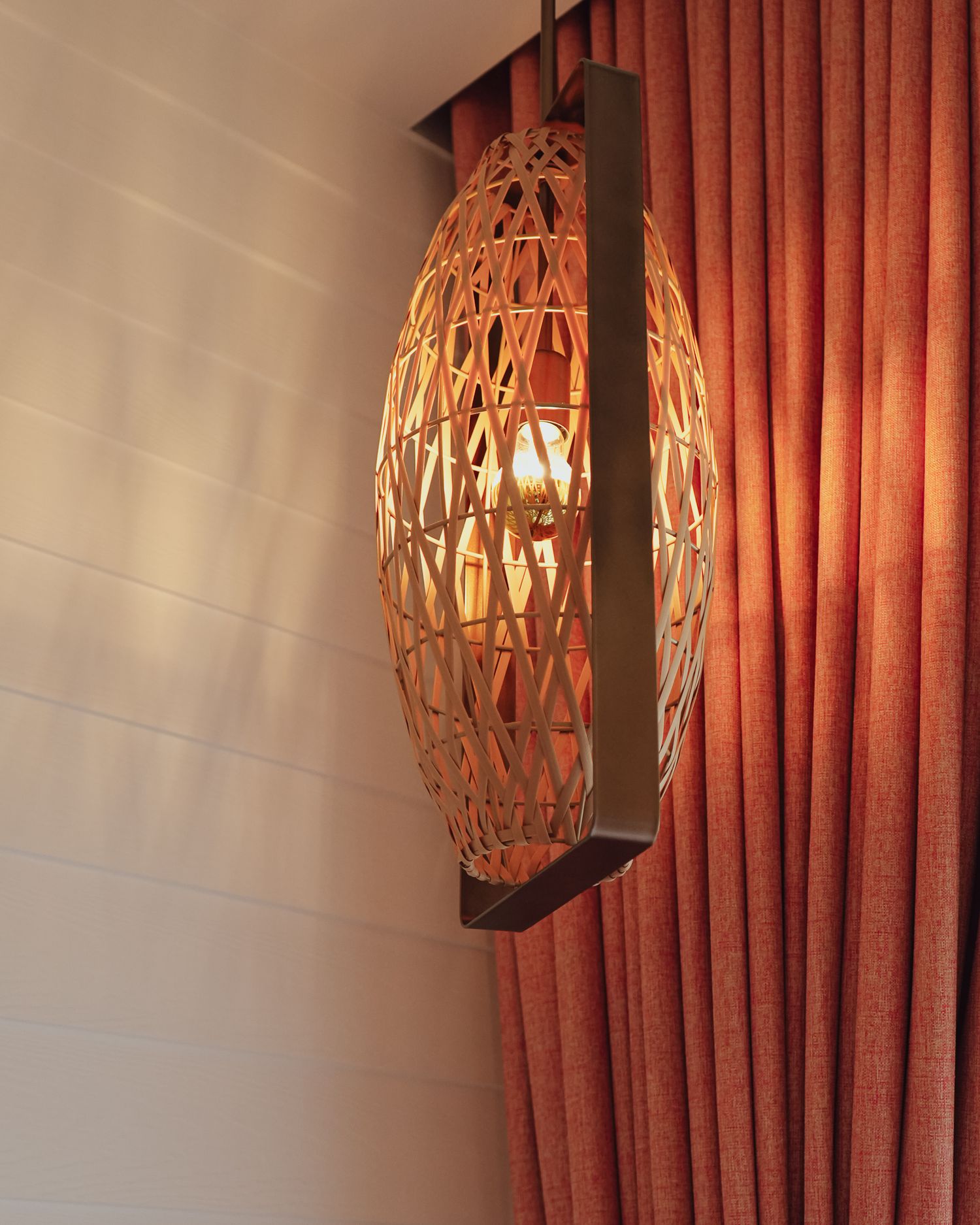
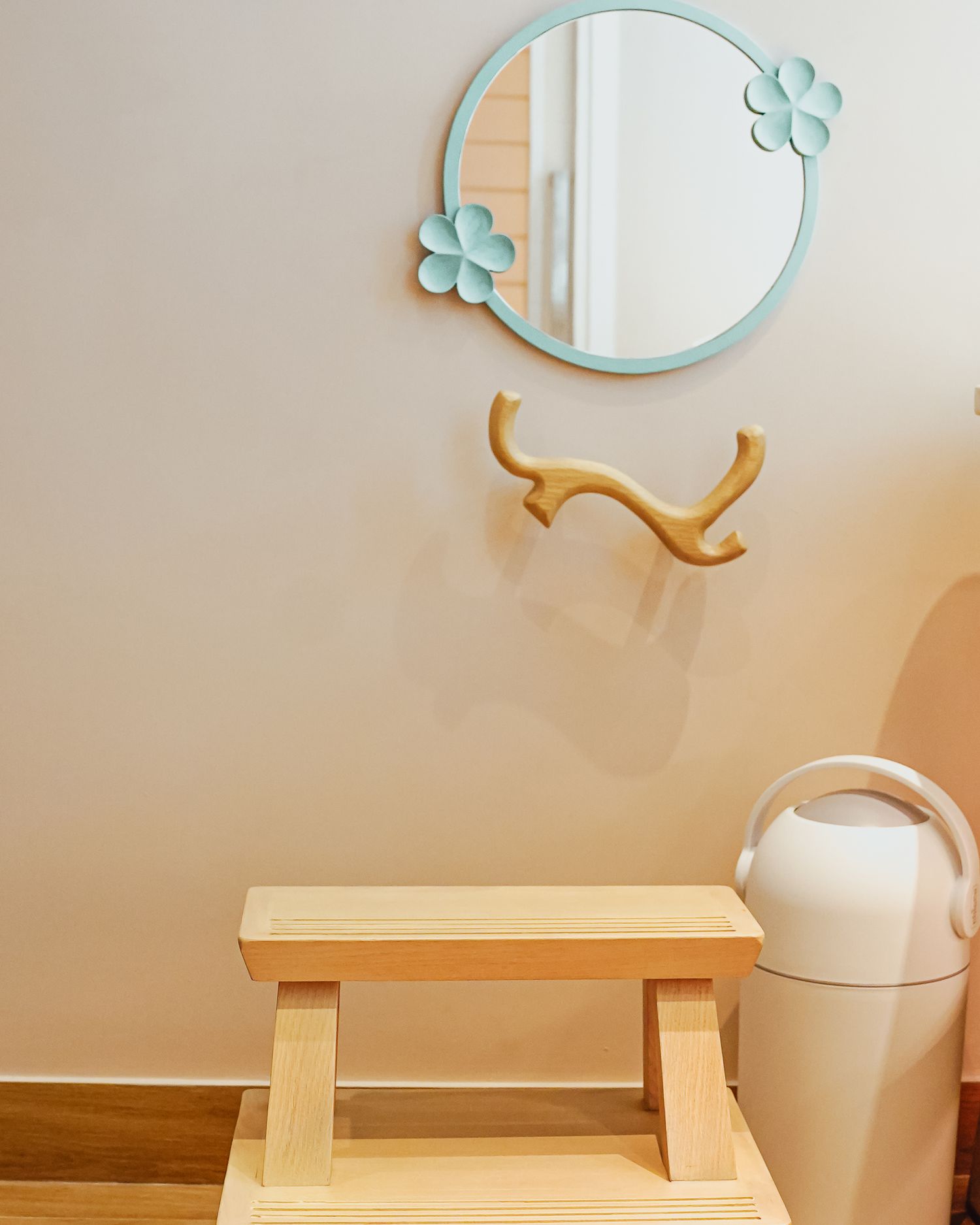
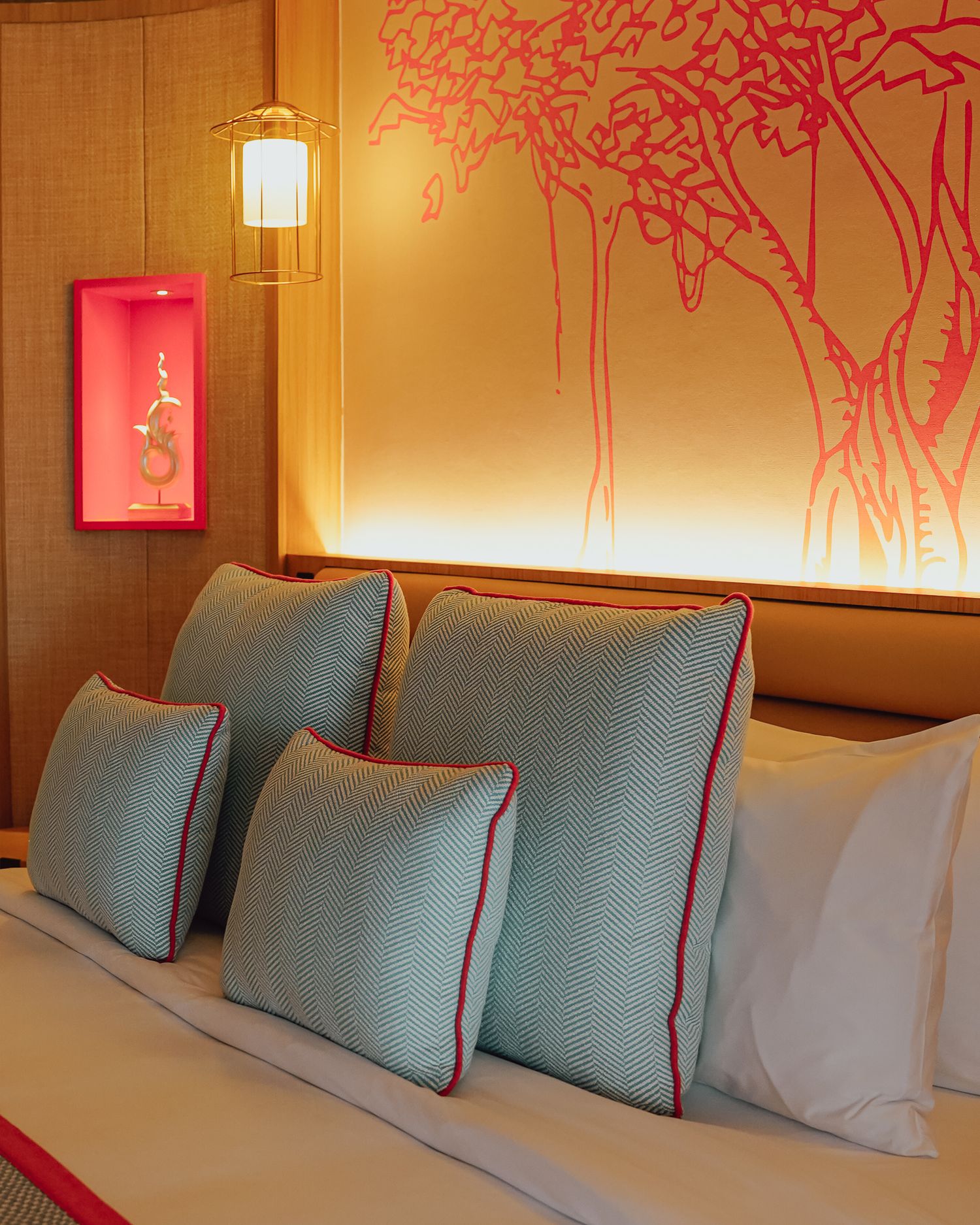
The real competition is not only price
Hospitality brands often think they are competing mainly on price, location, amenities, or reviews.
They are.
But they are also competing on confidence.
Two properties can offer similar rooms at similar prices, but the one that looks clearer, cleaner, warmer, and more trustworthy online often feels easier to choose.
This is why room photos matter.
The guest is not only comparing rooms. They are comparing risk.
One room feels like a safe choice.
Another room feels uncertain.
One room makes the guest think, “I know what I am getting.”
Another makes them think, “Let me check somewhere else.”
That second thought is expensive.
It may not show up as a complaint. It may not show up as feedback. It may simply show up as a lost booking.
What Club Med Phuket reminded me of
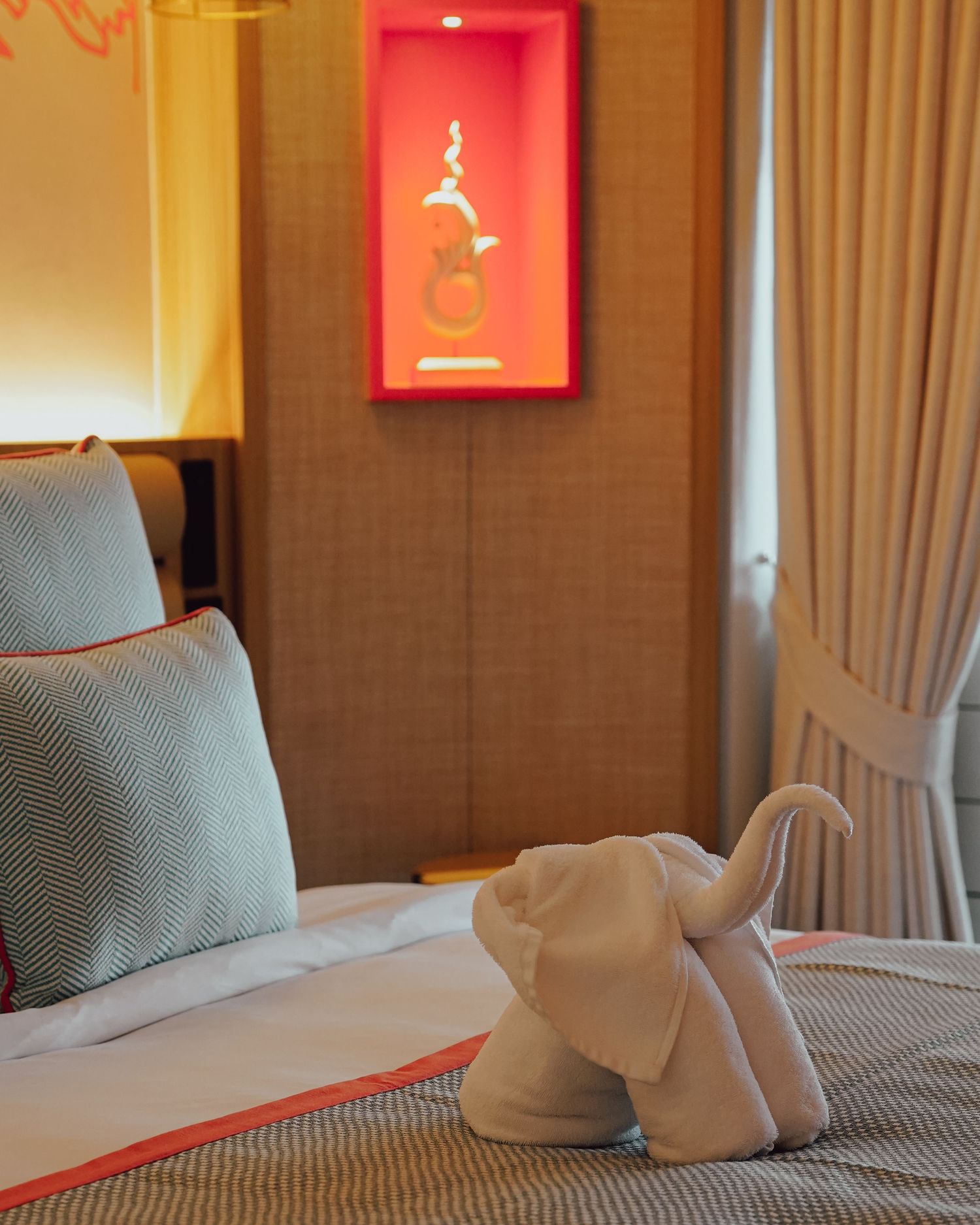
When I created hospitality content at Club Med Phuket, one thing became clear: strong hospitality visuals do not only document a space. They help the guest understand what kind of experience they are stepping into.
A resort is not only selling a room.
It is selling ease, comfort, escape, service, atmosphere, and the feeling that the guest has made the right decision.
The room photos play a specific role in that larger promise.
They must help the guest believe that the comfort is real. That the cleanliness is real. That the space is worth the price. The experience has been designed with care.
This is where hospitality photography becomes strategy. The camera is not just capturing the room. It is translating the promise of the stay.
What good room photography should communicate
Good hospitality photography is not about making the room look like something it is not.
That is a mistake.
Guests do not want to be tricked. They want to be reassured.
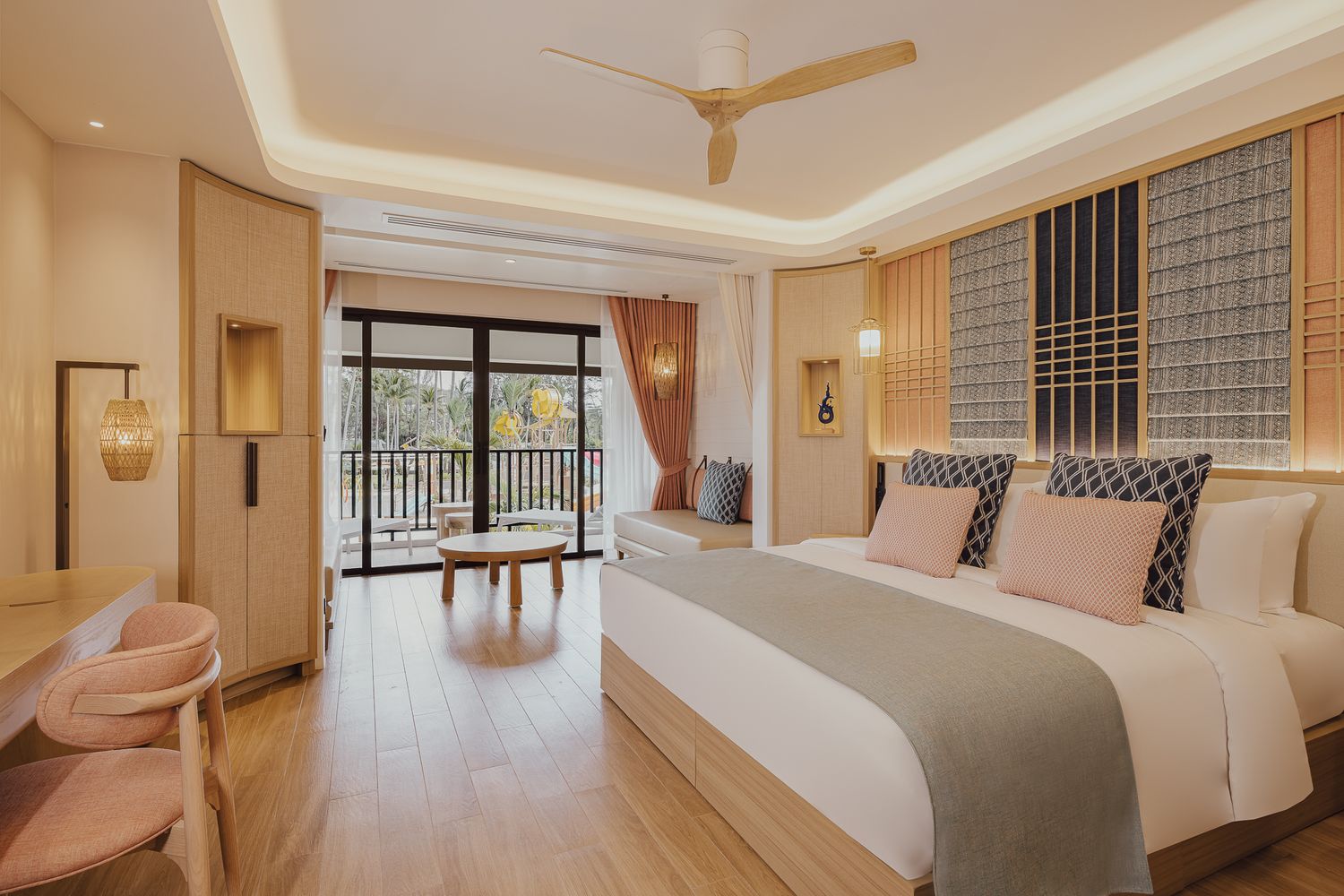
The strongest room photos communicate the truth of the space in its best form. They show the layout clearly. They make the room feel clean. They help the guest understand scale. They show comfort. They make the details visible. They show how the light works. They give the guest enough information to imagine the stay.
A good room photo should answer the guest’s silent questions before they have to ask them.
What does the bed feel like?
How much space is there?
Is there natural light?
Where will I put my luggage?
Does the bathroom feel clean?
Can I work from this room?
Does this fit the kind of trip I am planning?
Is this worth the rate?
When your images answer these questions well, the guest feels more confident.
When they do not, the guest keeps searching.
Hospitality brands need a visual trust system
The room photo is important, but it should not stand alone.
A hotel, guesthouse, resort, or Airbnb needs a visual trust system.
That means the room images, website, booking platform, Instagram, Google profile, food images, staff moments, amenity shots, and guest experience content should feel connected.
- The guest should not feel like they are seeing different versions of the same property across different platforms.
- The website should confirm what Instagram promised.
- The booking platform should match the quality of the website.
- The room photos should match the price.
- Social media should support the experience.
- The visuals should make the guest feel more certain with every click.
That is what trust looks like online.
The uMuntu Spaces point of view
At uMuntu Spaces, I see hospitality content as part of the guest decision journey.
The goal is not just to create beautiful images.
The goal is to help people trust the experience before they arrive.
That means thinking beyond the room as a physical space. We look at what the guest needs to understand, what the brand needs to communicate, what the price needs to justify, and what kind of feeling the property wants to be known for.
A hotel room is not just a room online.
It is a promise.
A promise of rest.
A promise of cleanliness.
A promise of comfort.
A promise of value.
A promise that the guest will not regret the booking.
The right visuals help protect that promise.
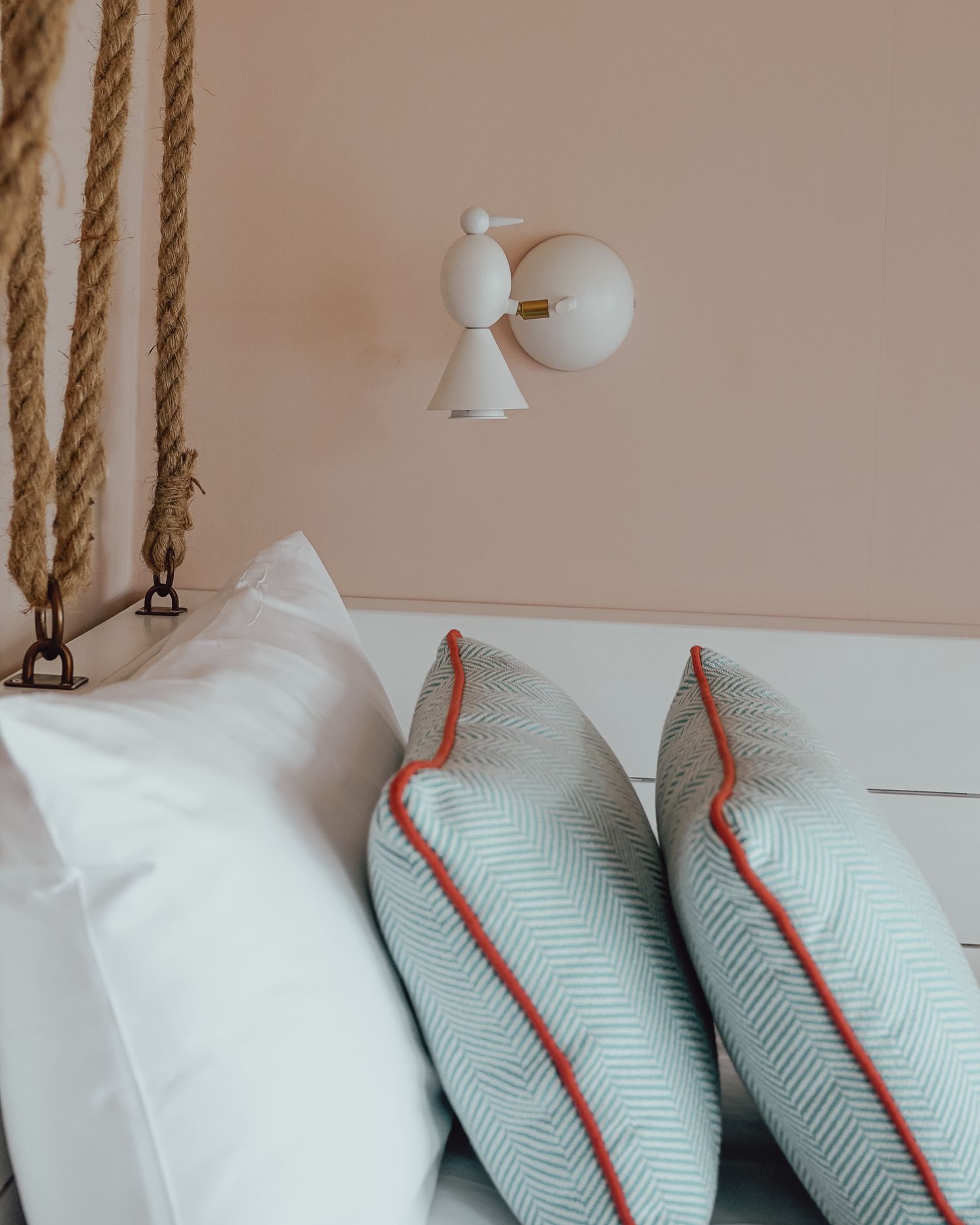
In a nutshell, your room photos are quietly deciding your bookings.
They are shaping trust before the guest speaks to anyone. They are helping people decide whether the experience is worth the money. They are either reducing risk or creating hesitation.
Hospitality brands need to stop treating room images like decoration.
Guests are not looking at them that way.
They are looking for evidence.
And the stronger the evidence, the easier it becomes for them to book.
If your hotel, guesthouse, resort, lodge, or Airbnb needs visuals that help guests trust the experience before they book, uMuntu Spaces creates hospitality photography and content designed to make your space easier to understand, easier to trust, and easier to choose.
Work with uMuntu Spaces to strengthen how your property shows up online.