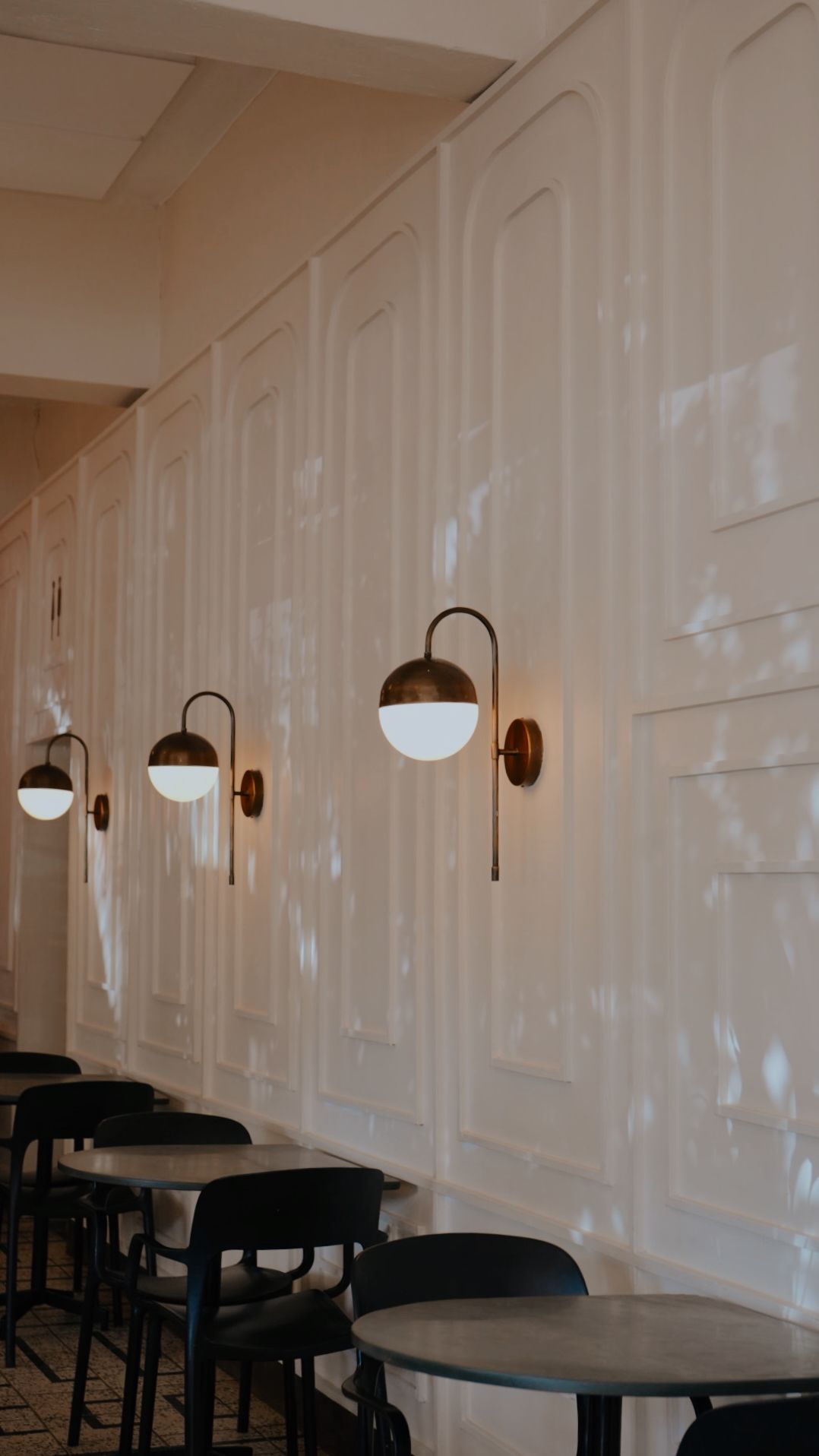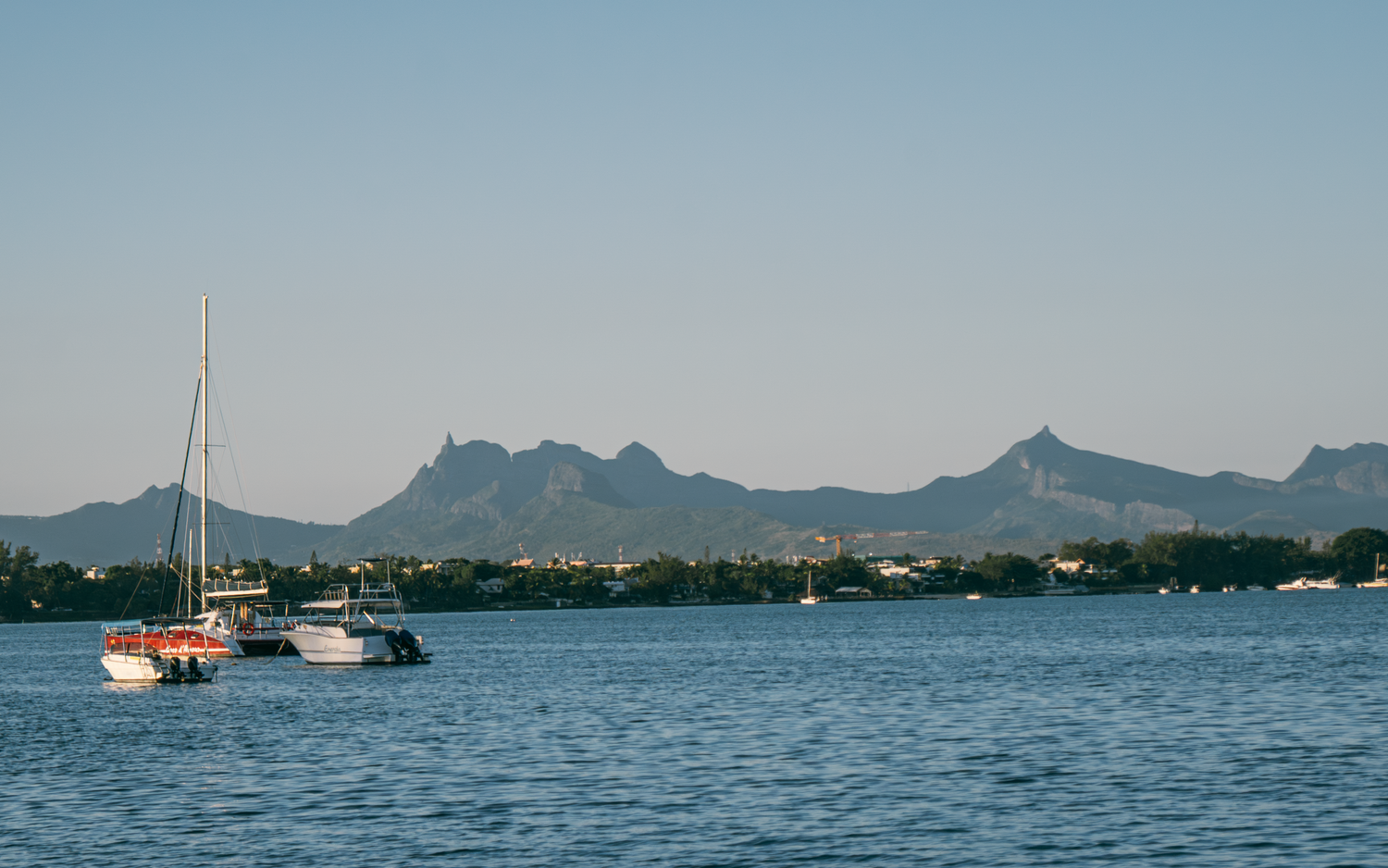

What Bali teaches us, and what African hospitality brands can use better
Bali understands something many hospitality brands still underestimate.
The room is not the whole product.
Yes, the villa matters. The bed matters. The bathroom matters. The pool matters. But Bali rarely sells accommodation alone. It sells the world around the stay.
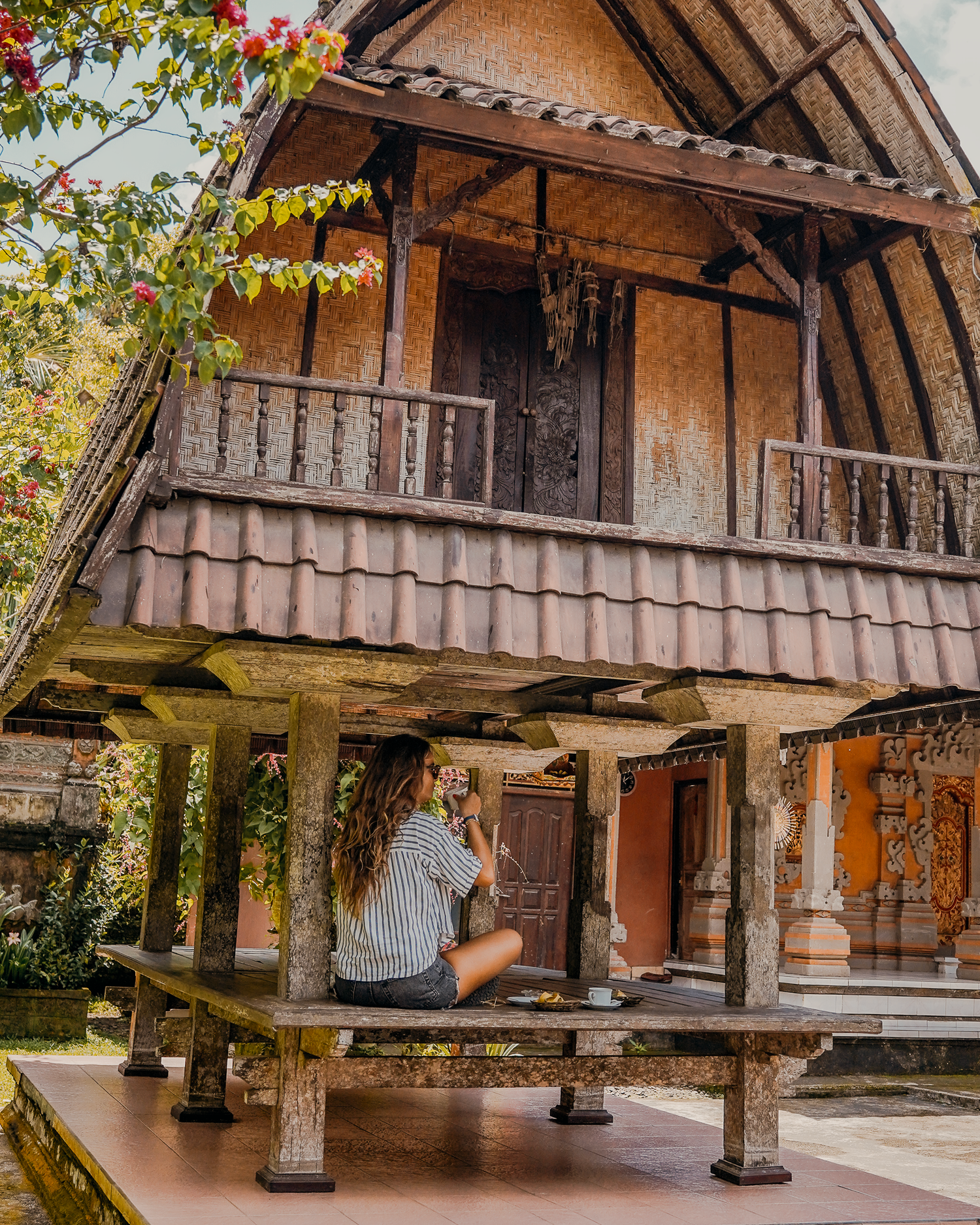
The morning walk through rice fields. The waterfall that feels like a small reward for leaving your room. The dance performance. The offering at a doorway. The sound of scooters passing a temple wall. The art on the street. The café with carved wooden chairs. The island day trip. The feeling that every corner has something to notice.
That is why Bali does not only feel like a destination. It feels like an atmosphere.
And atmosphere is powerful in tourism.
It gives travellers something to imagine before they arrive and something to retell after they leave.

The room is important, but it is not always the reason people travel
A hotel room can close a booking, but it rarely starts the dream.
People do not usually say, “I want to travel because I saw a bedside lamp.”
They travel because they want to feel removed from the ordinary. They want new scenery, different food, another rhythm, a story to carry back.
The room supports that desire. It gives comfort, privacy, rest, and safety. But the destination around the room gives the stay meaning.
This is where lodges, hotels, guesthouses, and resorts need to think more carefully about their content.
If all your content shows is the bed, the pool, the breakfast, and the reception area, you may be giving people information without giving them imagination.
And in tourism, imagination does a lot of selling.
Bali sells the ecosystem
Part of Bali’s strength is that it presents the stay as part of a larger ecosystem.
The accommodation is connected to the landscape. The landscape is connected to culture. The culture is connected to movement, food, spirituality, markets, craft, performance, and everyday street life.
A guest is not only booking a villa. They are booking access to a rhythm.
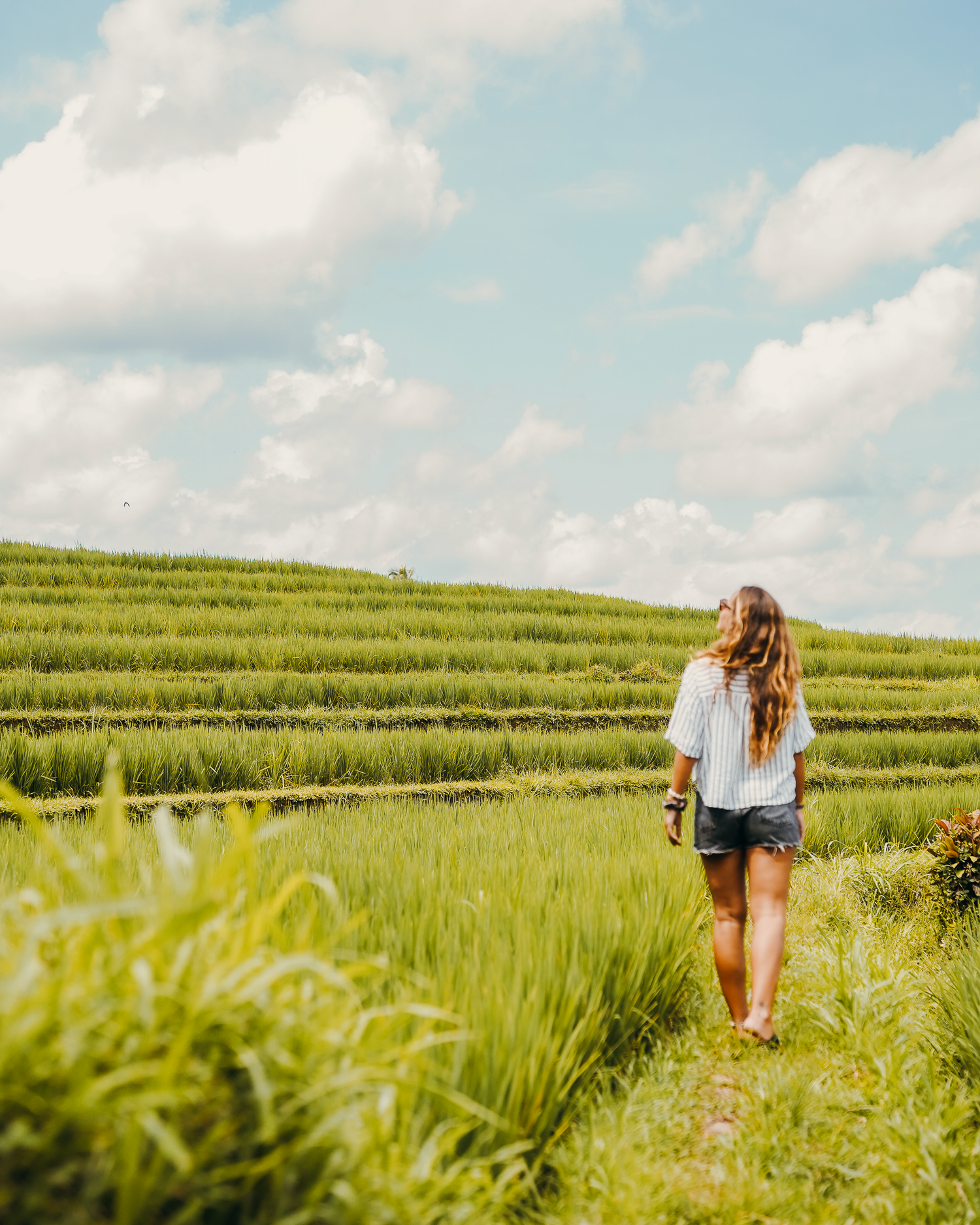
This is why Bali content often feels full, even when the image is simple. A rice field is not just a rice field. It suggests slowness. A waterfall is not just water falling over rock. It suggests discovery. A dance is not just entertainment. It suggests cultural depth. A narrow road, a scooter, a café, a temple gate, a bowl of fruit, a woven basket, a handmade door, all of these details help build the feeling of place.
The lesson is not that African tourism brands must copy Bali.
They should not.
The lesson is that destinations become stronger when the content shows the full world around the stay.
Africa does not lack experience.
It often lacks translation
This is where the conversation becomes important for African hospitality.
Across the continent, we have the ingredients of world-class destination storytelling: lodges near wildlife corridors, guesthouses close to heritage sites, coastal stays, mountain retreats, food markets, craft villages, music, architecture, waterfalls, township tours, vineyards, desert landscapes, sacred sites, traditional kitchens, city walks, and people whose stories give places texture.
But many hospitality brands still market themselves as if the room is the main event.
The room matters, but it should not carry the whole story alone.
A lodge in Zimbabwe is not only selling a bed near a national park. It is selling the morning air before a game drive, the sound of birds, the dust on the road, the dinner after a long day, the guide’s knowledge, and the silence people do not get in the city.
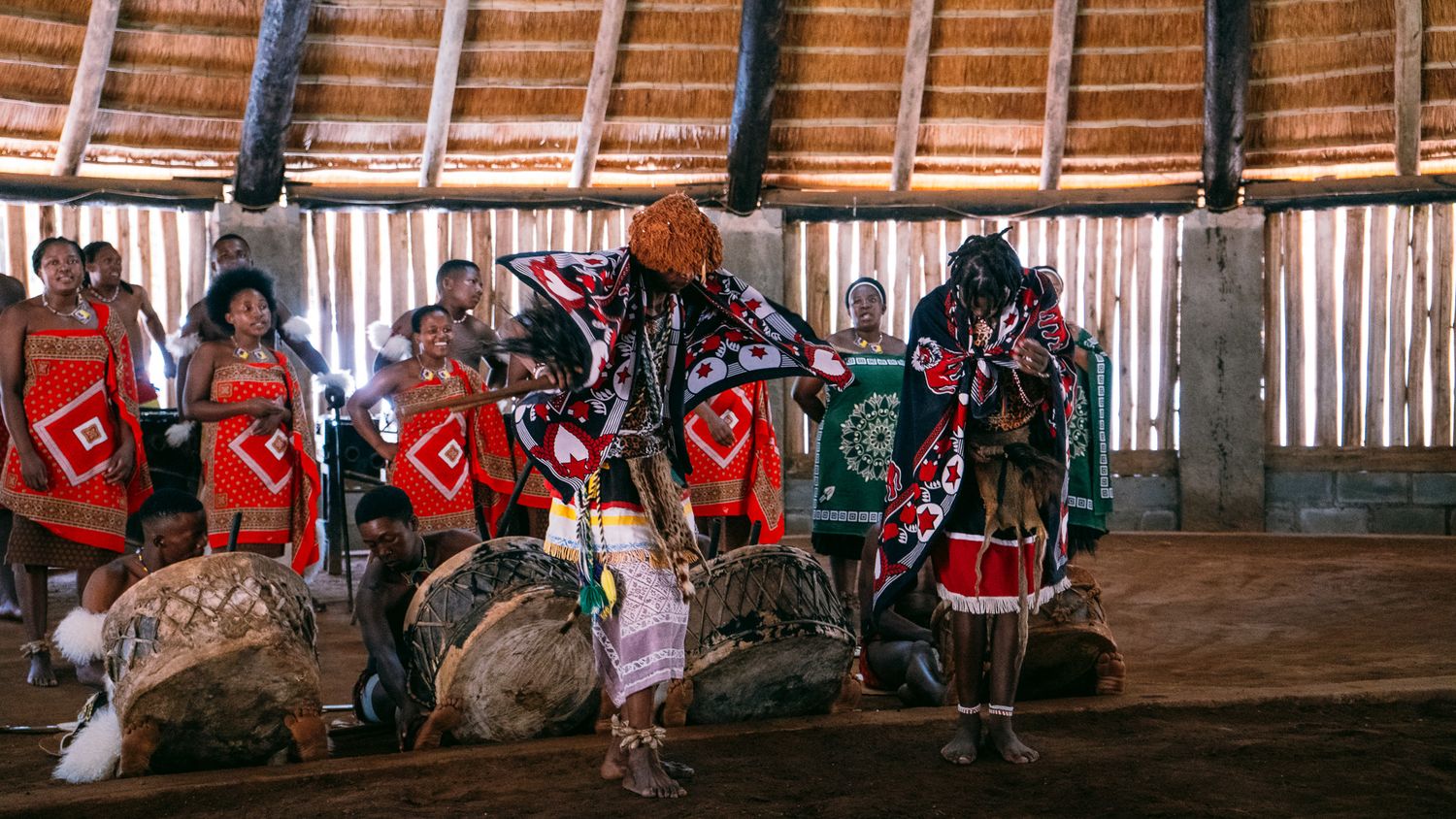
A guesthouse in Eswatini is not only selling accommodation. It may be the proximity to craft, performance, landscape, history, and cultural spaces that make the visit richer.
A boutique hotel in Johannesburg is not only selling a room. It may be selling access to restaurants, galleries, business meetings, nightlife, neighbourhood energy, and the feeling of being close to the city’s movement.
The experience is already there.
The question is whether the content is being translated.
The mistake: showing facilities instead of context
Hospitality content often becomes too literal.
Here is the room.
Here is the bed.
Here is the pool.
Here is the breakfast.
Here is the special offer.
That is helpful, but it is not enough.
A traveller wants to know what the stay makes possible.
Can I rest here? Can I explore from here? Can I bring my partner here? Can I bring my family here? Can I work remotely here? Can I experience something local here? Can I feel like I have actually been somewhere?
The best hospitality content answers those questions without sounding like a brochure.
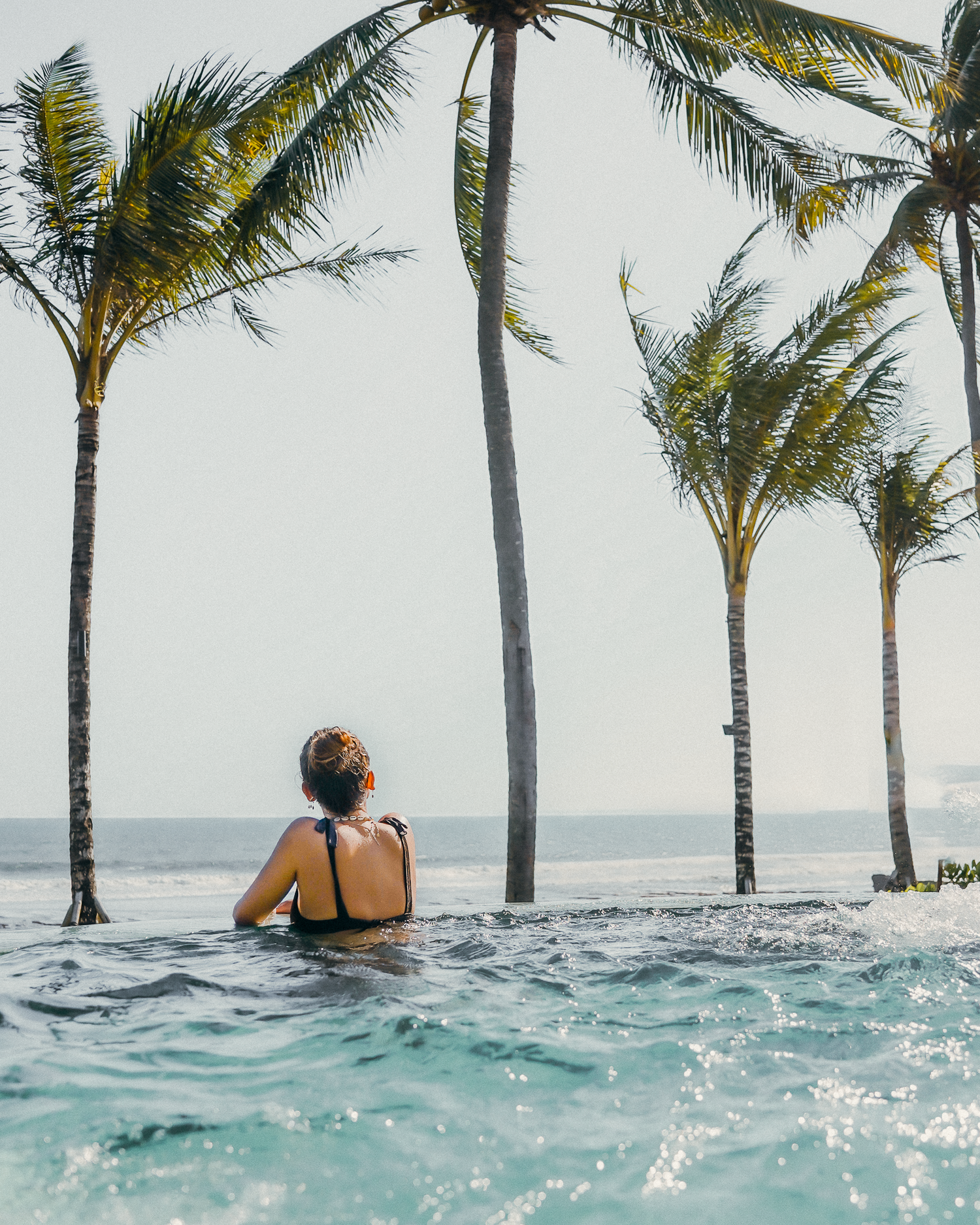
It shows the room, but also the morning outside the room. It shows the meal, but also the people and place behind it. It shows the pool, but also the atmosphere around it. It shows the destination, but also the way a guest moves through it.
This is what makes a hotel or lodge feel less like a property and more like an invitation.
What African lodges and hotels can maximise
African hospitality brands have a major opportunity to build stronger content around the experience ecosystem.
Show the room, yes. But also show what the room gives access to.
The walk to breakfast. The road into the lodge. The nearby market. The local craft. The chef is preparing something regional. The guide explaining the landscape. The evening fire. The cultural performance was handled with context and dignity. The view at different times of day. The small design details that come from place, not Pinterest.
This is where content becomes more than promotion.
It becomes orientation.
It helps the guest understand not only where they will sleep, but what kind of world they are entering.
That matters because people are not short of accommodation options. They are short of certainty about which experience is worth choosing.

Les get practical
The self-audit for hospitality brands
If you run a lodge, hotel, guesthouse, resort, or Airbnb, look at your current content and ask:
Are we only showing where people sleep, or are we showing why they should come?
Can a guest understand what surrounds their stay?
Are we showing the local culture, landscape, food, people, activities, and rhythm of the place?
Does our content make the experience feel specific, or could it belong to any property?
Would someone remember us after seeing five similar accommodation pages?
If the answer is uncomfortable, the issue may not be the property.
It may be that the story around the room is not being shown clearly enough.
The uMuntu Spaces point of view
At uMuntu Spaces, I believe hospitality content should help people understand the full value of the stay.
The room is part of the promise, but it is not always the whole promise.
The strongest lodges, hotels, and guesthouses are connected to something larger: a landscape, a neighbourhood, a culture, a food story, a community, a rhythm, a reason to choose that place over another.
Bali teaches us the power of showing the world around the room.
Africa has more than enough worlds to show.
The opportunity now is to translate them with more intention, more dignity, and more strategic visual storytelling.
Overall, the room may be where the guest sleeps.
But the experience around the room is often why they choose the destination.
Hospitality brands that understand this will stop treating content as a catalogue of facilities and start using it to show the full memory of the stay.
Because people do not only book rooms.
They book access to a story.

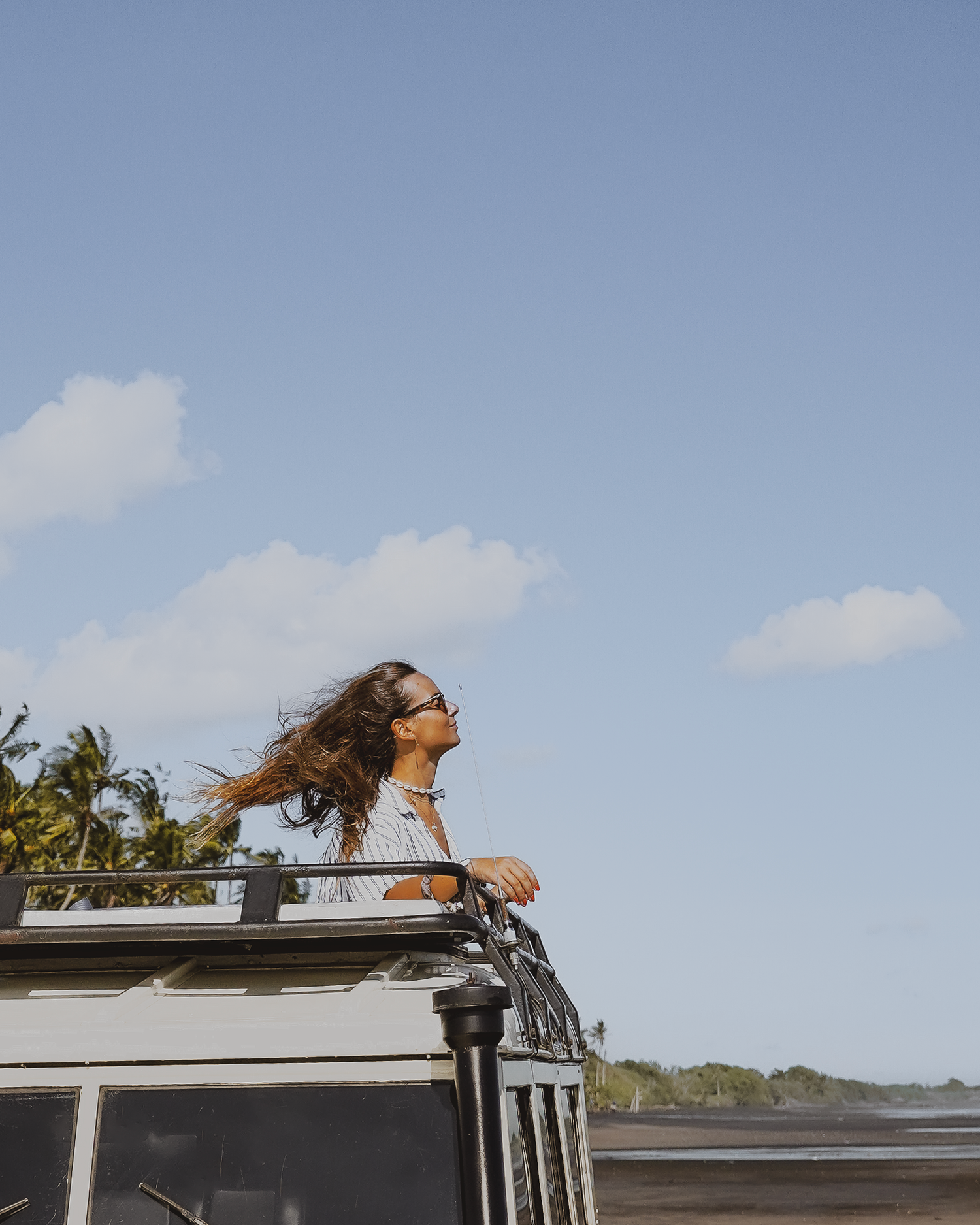
If you run a lodge, hotel, guesthouse, resort, Airbnb, or tourism brand, uMuntu Spaces helps you show more than the room. Like I did for Club Med Bali, through the images you have seen throughout this article.
We help you turn the surrounding experience, culture, food, landscape, people, and details into visual stories guests can trust, feel, remember, and choose.
Work with uMuntu Spaces to show the experience around the stay.