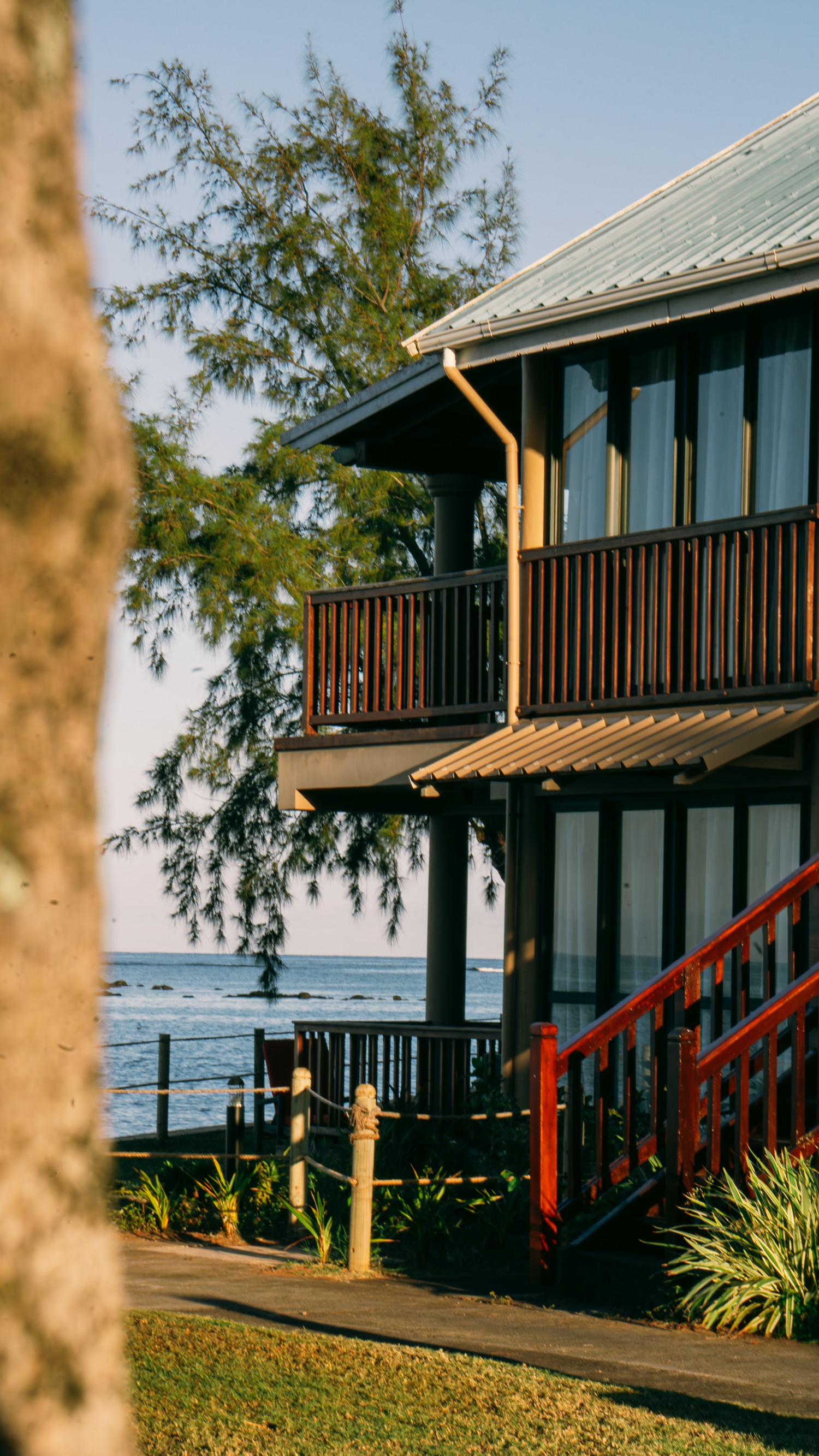
What Club Med Mauritius reveals about the business of being remembered
There is a particular kind of photograph that tourism brands love.
Blue water is behaving perfectly. A pool chair is waiting for someone with no emails. A cocktail sweating in the sun. A couple walking away from the camera as if romance itself has a PR team.
The image is beautiful. It works. It makes people stop for half a second and think, “I could use a holiday.”
But beauty has become the easiest part of tourism marketing.
The harder question is no longer whether a destination can look good online. Most places can. The harder question is whether a destination can become memorable in a market where every resort has discovered drones, sunsets, linen, and the word “escape.”
This is where the real work begins.
Tourism brands are not selling places anymore.
They are selling memory.
A place may get attention. Memory gets repeated.
The destination is only the beginning
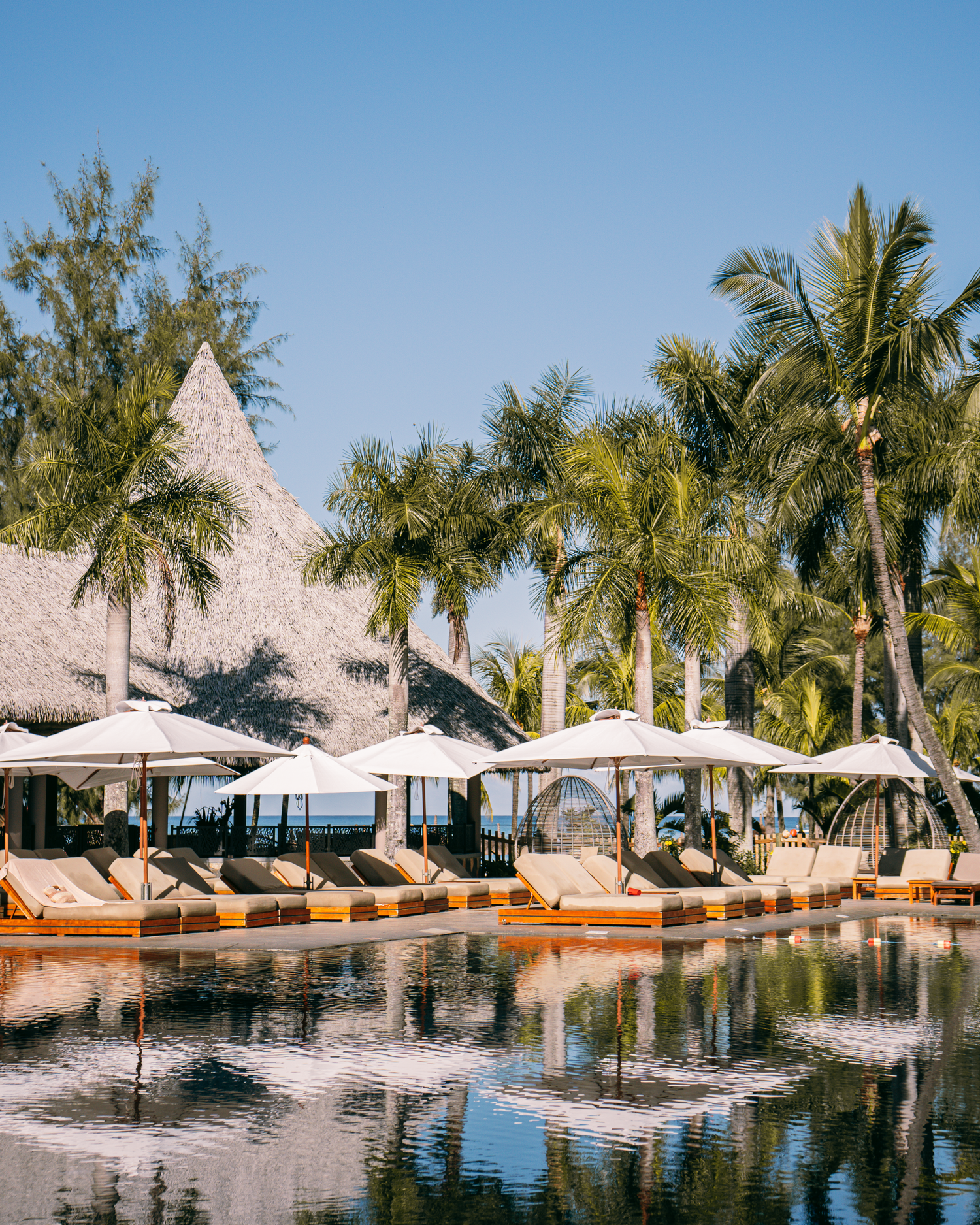
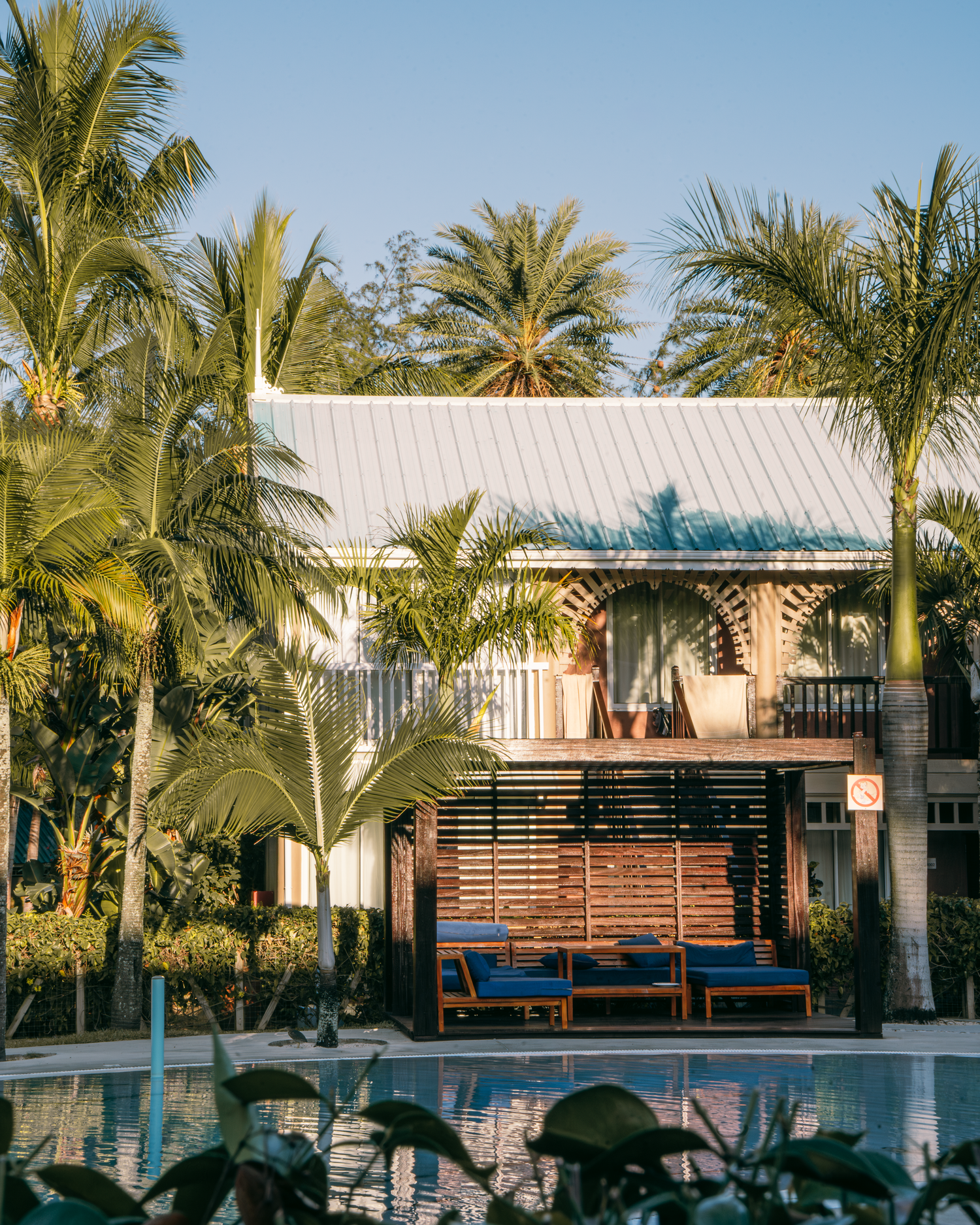
Club Med Mauritius is a useful example because Mauritius does not need much help being visually persuasive.
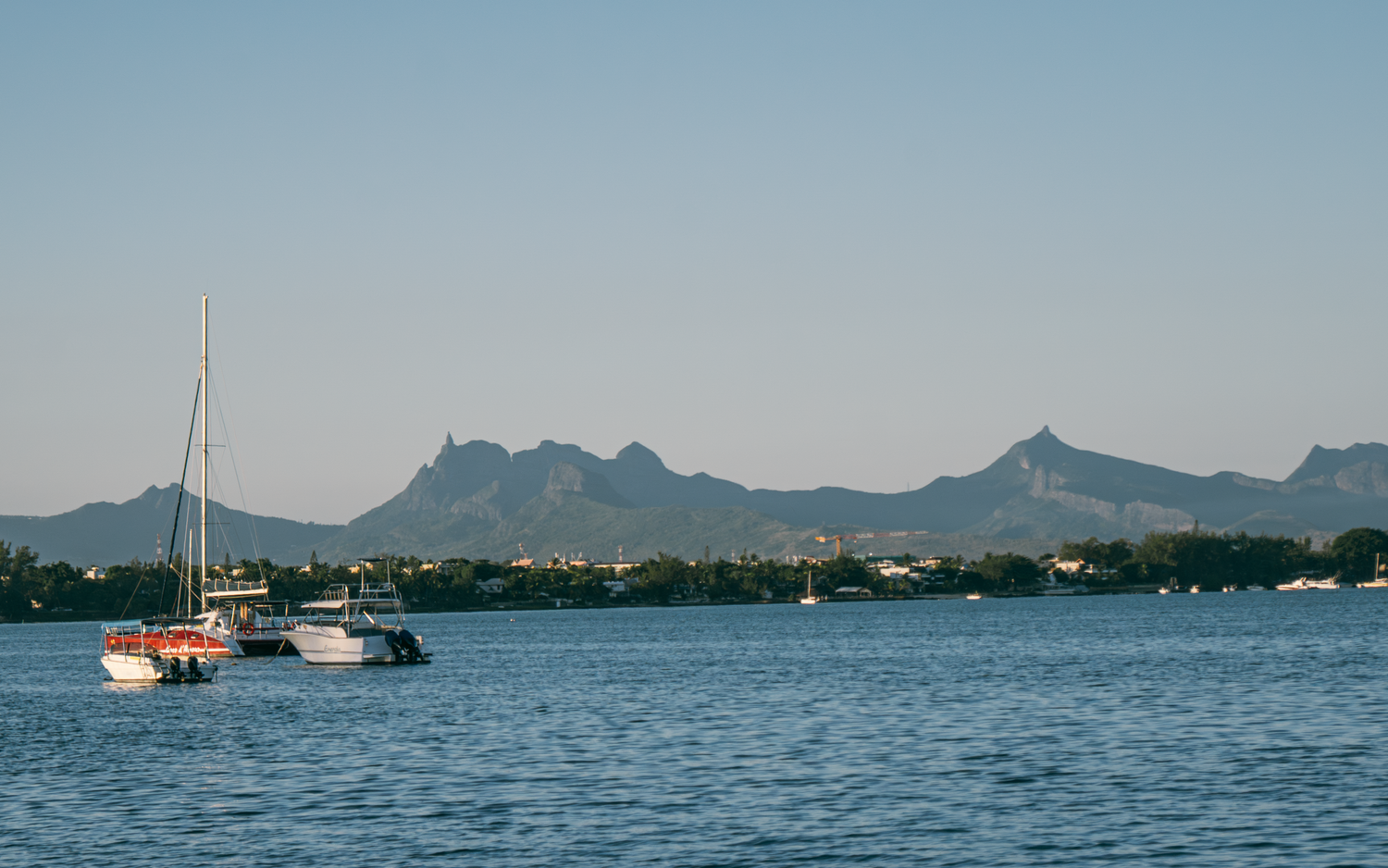
The island already knows how to perform. The ocean is generous. The light is kind. The idea of Mauritius already carries its own fantasy: rest, warmth, family, romance, ease, distance from ordinary life.
But that is also the challenge.
When a destination is already beautiful, tourism brands can become lazy. They let the beach do all the talking. They show the water, the room, the restaurant, the palm tree, the pool, and assume desire will build itself.
Sometimes it does. But in a world where travellers have seen a thousand versions of paradise before breakfast, beauty alone is not enough.
The guest is not only asking:
“Is this place beautiful?”
They are asking:
“Will this trip feel worth remembering?”
That is a more important question.
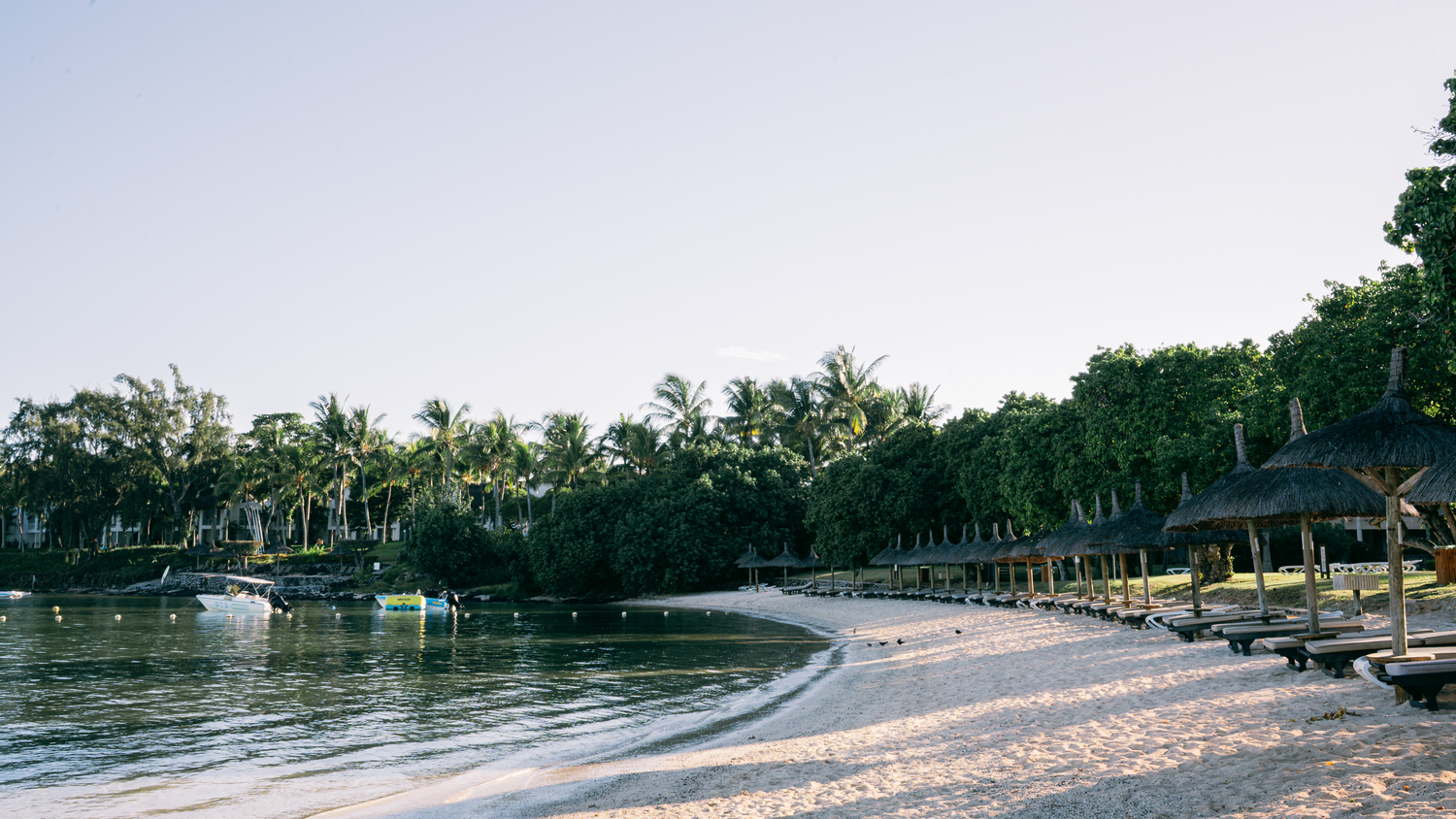
Travellers book the version of themselves they hope to meet there
A person looking at a resort is not only choosing accommodation. They are imagining who they might become inside that setting.
More rested. More present. More romantic. More playful. More available to their children. Less swallowed by the life they temporarily left behind. That may sound dramatic, but this is how travel works. People do not only travel to see places. They travel to feel changed by them, even if only for a few days. This is why a resort should not only show what it has. It should show what it allows.
A room allows rest.
A beach allows release.
A meal allows connection.
An activity allows play.
A celebration allows belonging.
The strongest tourism content understands this. It does not simply document the property. It helps the future guests rehearse the memory before they arrive.
They see the dinner and imagine the conversation.
They see the beach and imagine the silence.
They see the celebration and imagine themselves inside the story.
That rehearsal matters.
It makes the booking feel more real.

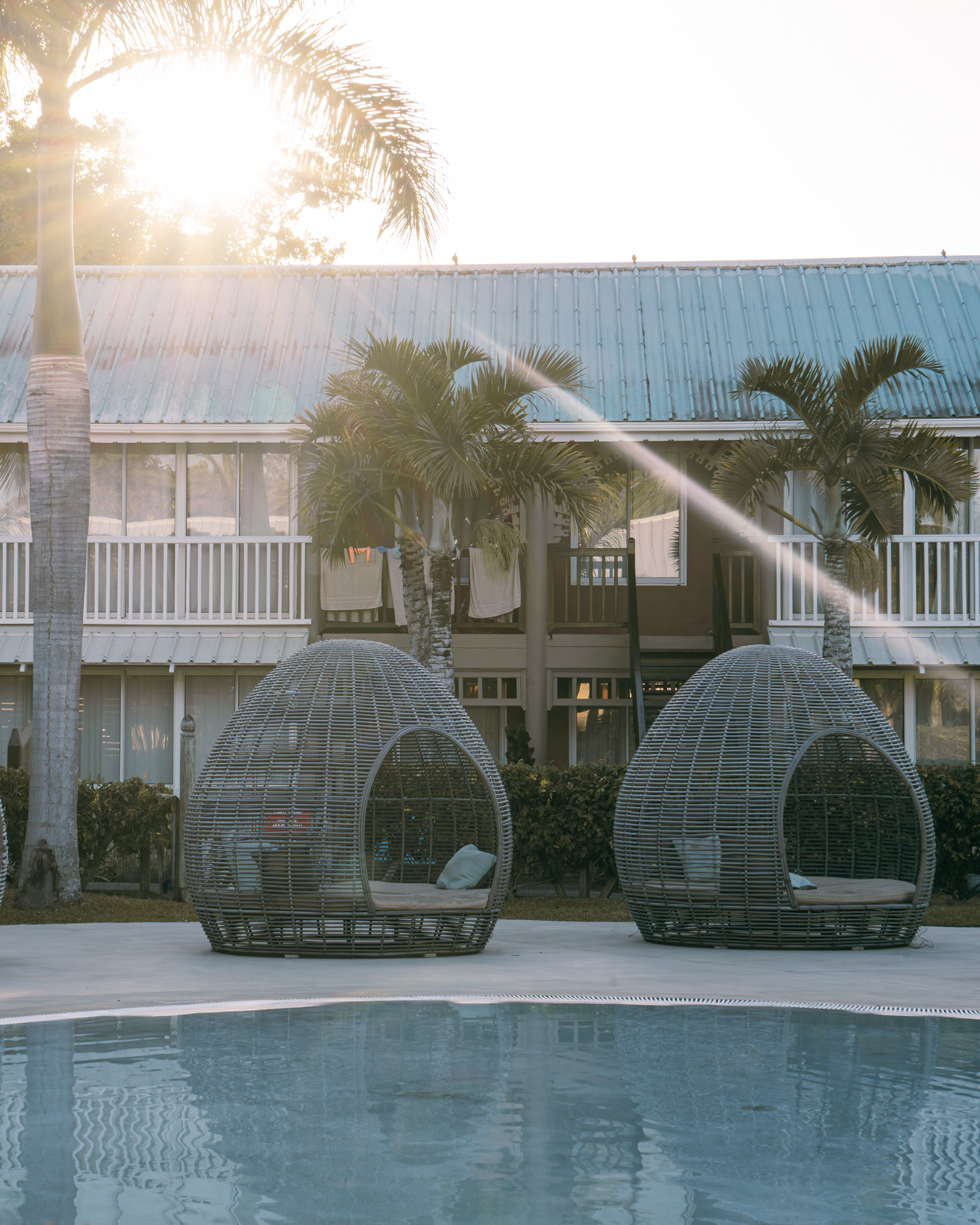
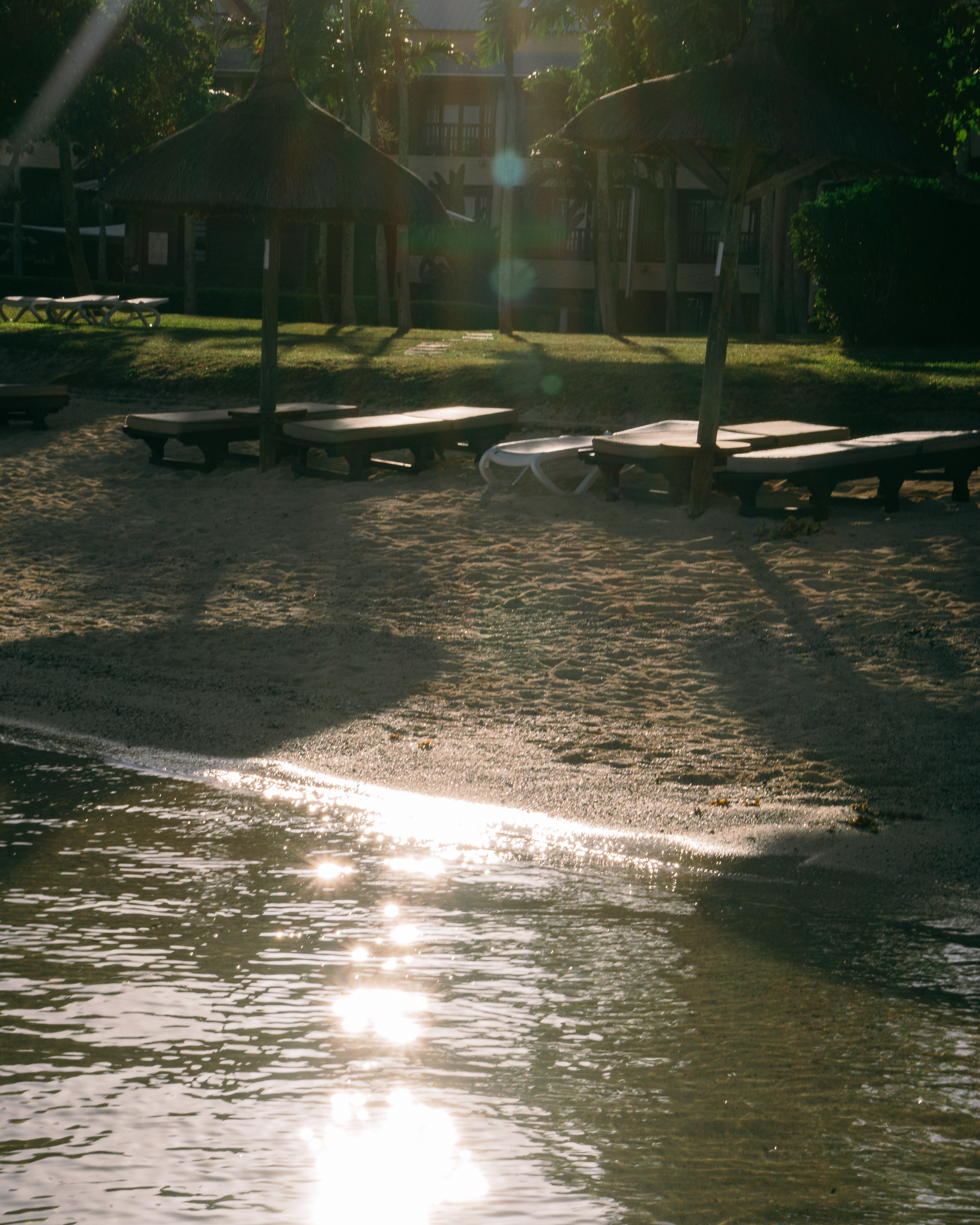
The best resorts are memory machines
A resort is not just a collection of rooms and facilities. At its best, it is a memory machine.
That does not mean the experience should feel manufactured. The best hospitality moments often feel effortless because someone, somewhere, thought carefully about how the guest would move through the day. The arrival has a feeling. The first meal has a rhythm. The staff know when to be present and when to disappear. The activity programme gives the day shape. The evening event gives people something to talk about.
Individually, these things may look small. Together, they create the story guests take home.
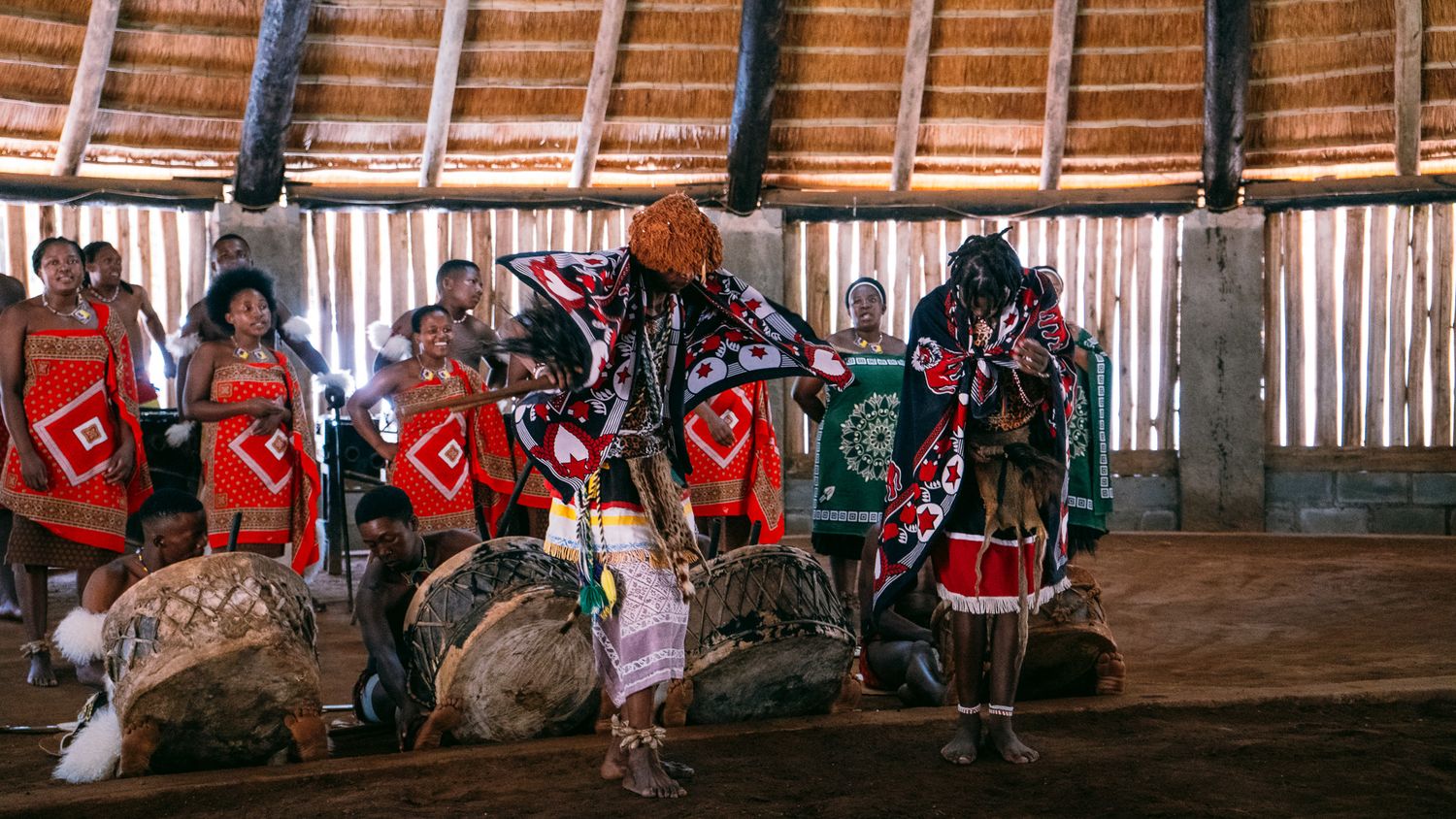
This is where Club Med Mauritius becomes more than a resort in a beautiful location. The brand is not only relying on Mauritius as scenery. It is building moments around the destination: food, movement, family life, beach culture, performances, staff energy, social rituals, and that strange holiday magic where people briefly agree to live outside their normal routines.
That is what tourism content should capture. Not only the place. The transformation inside the place.
People remember what they can retell
There is a simple test for destination marketing:
Can people retell the experience after seeing your content?
Not list the amenities.
Not describe the room category.
Retell the experience.
If your content only says, “We have a beach, rooms, food, and activities,” you are competing with every other property that has a beach, rooms, food, and activities.
But if your content says, “This is what your family could feel like here,” or “This is the kind of evening you will still talk about months later,” then you are moving into memory. That is where the brand becomes harder to replace.
A traveller may forget the exact package name. They may forget what they ate on the second night. But they remember the feeling of the place.
And if the feeling is strong enough, they become the marketing.
They tell a friend. They post the photo. They recommend the resort in a WhatsApp group. They say, “You should go there,” with the authority of someone who is not selling, which is exactly why people believe them.
What African tourism brands should learn from this
This is not only a Mauritius conversation.
African tourism has an extraordinary advantage, but it is not always used well.
We have landscapes with emotional weight. We have food cultures, music cultures, design languages, rituals, histories, textures, coastlines, wildlife, cities, villages, markets, and hospitality traditions that cannot be manufactured in a boardroom.
Yet too much tourism content still behaves like a digital noticeboard.
Here is the room.
Here is the view.
Here is the special.
Here is the breakfast.
Book now.
There is nothing wrong with clarity. People need information. But information alone rarely creates longing.
The opportunity for African tourism brands is not to imitate Bali, Dubai, or the Maldives. It is to become more articulate about their own memory.
What does a guest feel in this place that they cannot feel elsewhere?
What is the rhythm of the day?
What is the story of the people, the food, the landscape, the sound, the service, the design?
What does the guest carry home?
If a tourism brand cannot answer that, it may still get bookings. But it will struggle to be remembered.
The uMuntu Spaces point of view
At uMuntu Spaces, I am interested in the business of memory.
Not content for the sake of content. Not pretty pictures floating around the internet with no job to do.
The work is to help hospitality and tourism brands understand what their spaces, people, details, and experiences are really communicating.
A resort is not just a resort. A lodge is not just a lodge. A destination is not just a location on a map.
Each one is a story system.
The question is whether the brand is telling that story with enough clarity, dignity, emotion, and intention.
Club Med Mauritius reminds us that tourism content works best when it turns a beautiful place into a memorable experience.
The ocean may attract the eye.
But the moments give the guest something to keep.
Tourism brands are not selling places.
They are selling memory.
The destination gets attention. The story gets carried home.
And in a world full of beautiful places, the brands that win will not only be the ones with the best views. They will be the ones who understand how to turn a stay into a story people want to retell.
If you run a resort, hotel, lodge, guesthouse, tour company, or destination brand, uMuntu Spaces helps you turn spaces, culture, service, and guest experiences into visual stories people can trust, feel, remember, and choose.
Work with uMuntu Spaces to build tourism content that does more than show the place.
Let it sell the memory.