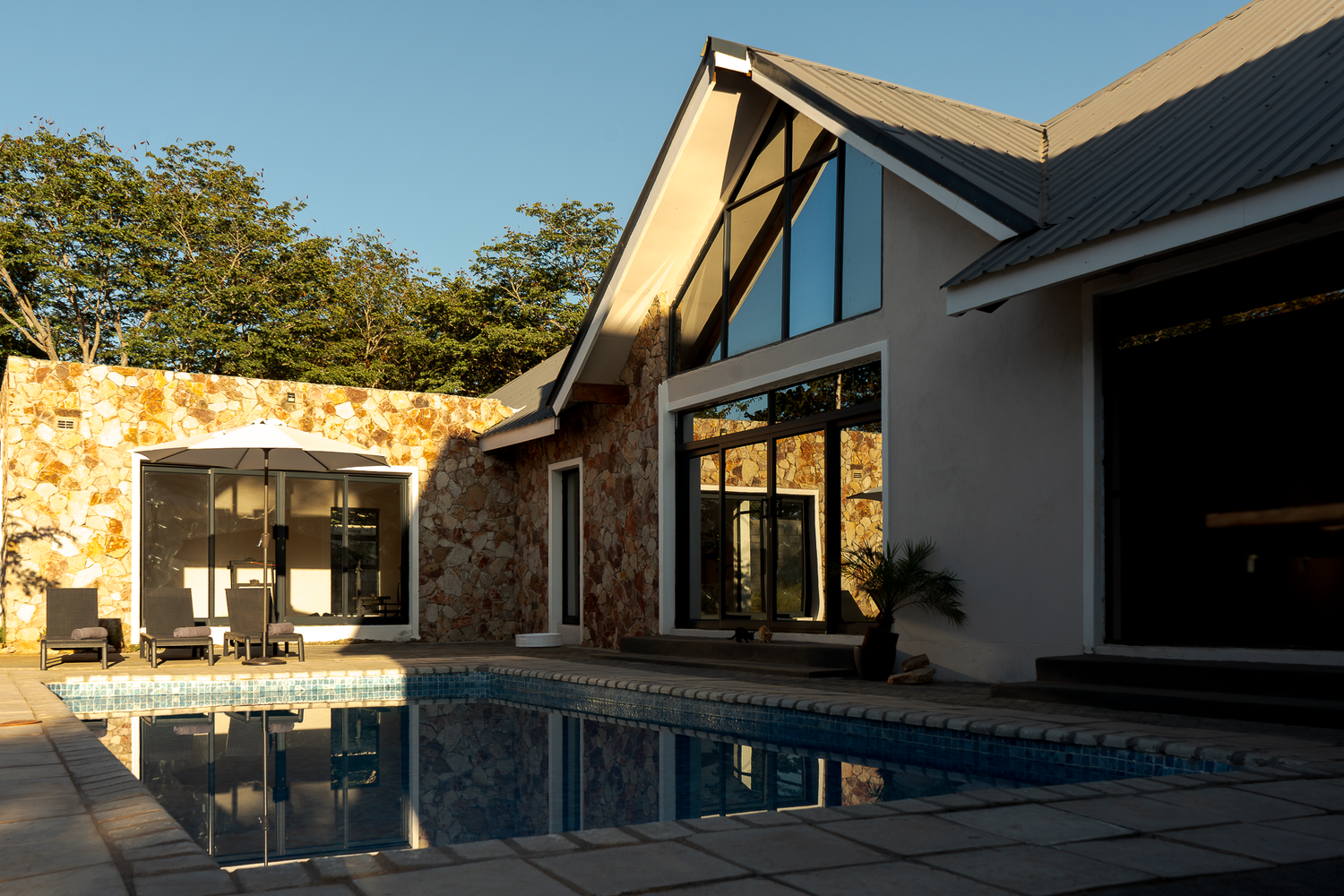
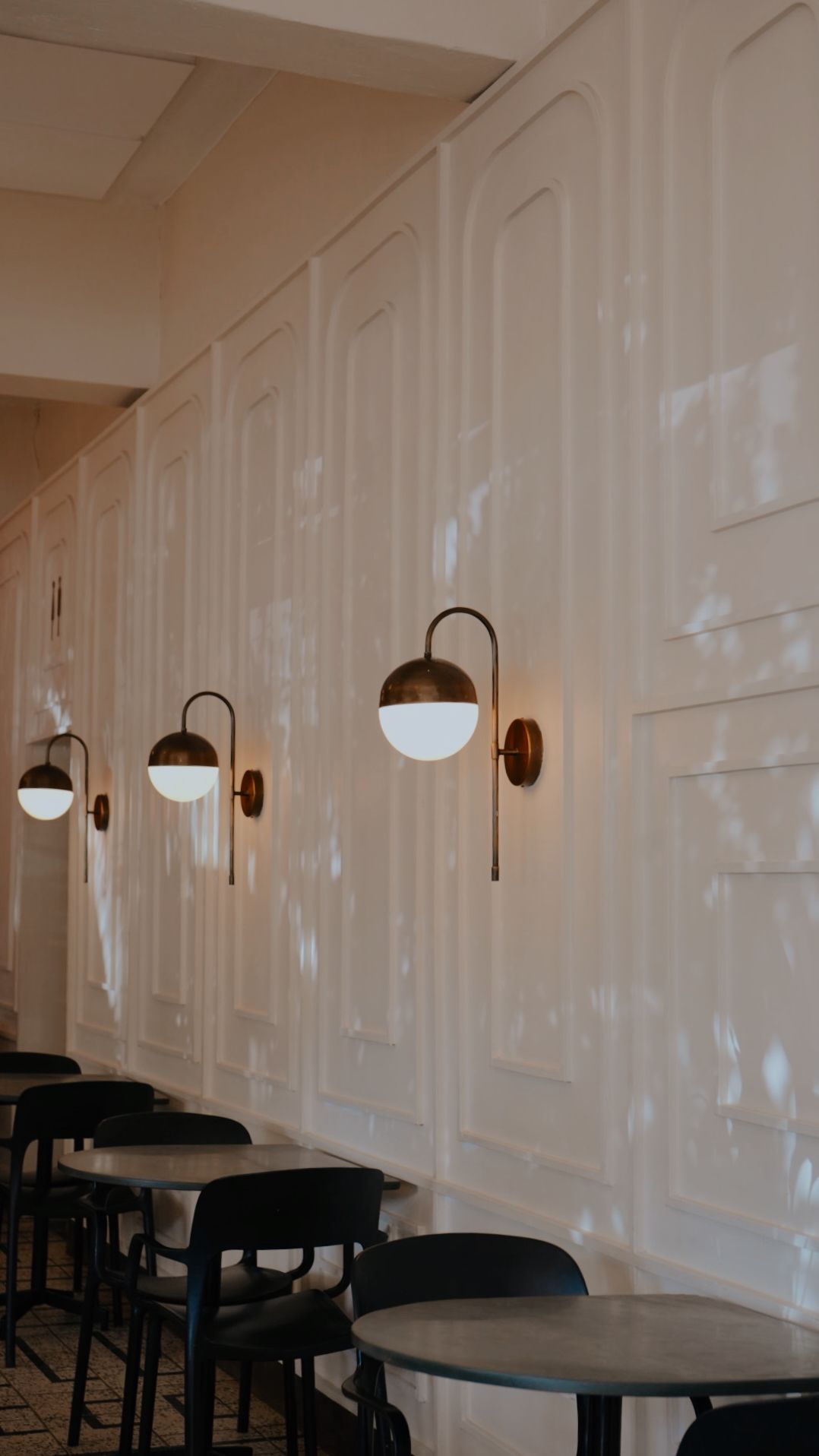
A visual study from a casual visit to The Whippet
Most restaurant content has the same problem:
It shows the food, but it does not help people decide.
A good plate photo can create appetite. It can stop the scroll. It can remind someone that they are hungry. But appetite alone does not always get someone to leave the house, book a table, invite a friend, or choose one restaurant over another.
Before someone visits a restaurant, they are asking more than:
Does the food look good?
They are also asking:
Is this place worth my time?
Can I take someone there?
Does it feel clean?
Does it feel comfortable?
Does it match the price?
Does it fit the kind of meeting, date, lunch, or celebration I have in mind?
Can I see myself there?
This is where many restaurants lose people before they ever walk through the door.
Not because the food is bad.
But because the content does not make the experience feel clear enough, desirable enough, or worth acting on.
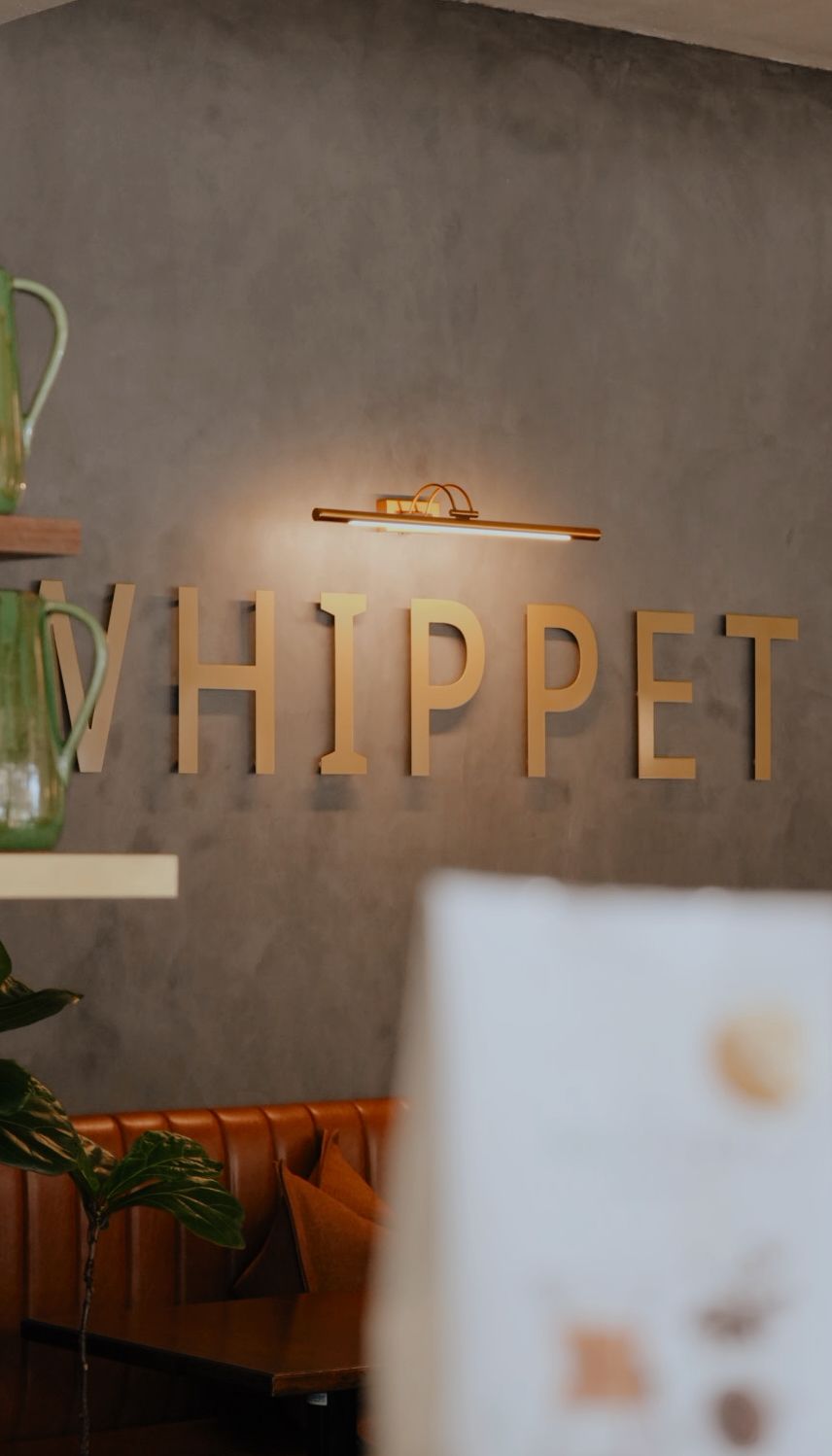
Food gets attention. Experience-led content drives decisions.
Restaurants are not only competing on food anymore.
They are competing on attention, trust, atmosphere, convenience, lifestyle, and whether their content visits feel worth it.
This is why restaurant content cannot only be a gallery of dishes.
A restaurant’s content should help a potential customer understand what kind of experience they are choosing.
A quick lunch spot needs to communicate ease, speed, and reliability.
A date-night restaurant needs to communicate atmosphere, intimacy, and quality.
A café needs to communicate comfort, routine, and belonging.
A premium dining space needs to communicate service, detail, and value.
A family restaurant needs to communicate warmth, space, and accessibility.
The food matters. Of course it does.
But the decision to visit is usually shaped by more than the plate.
It is shaped by the perceived experience.

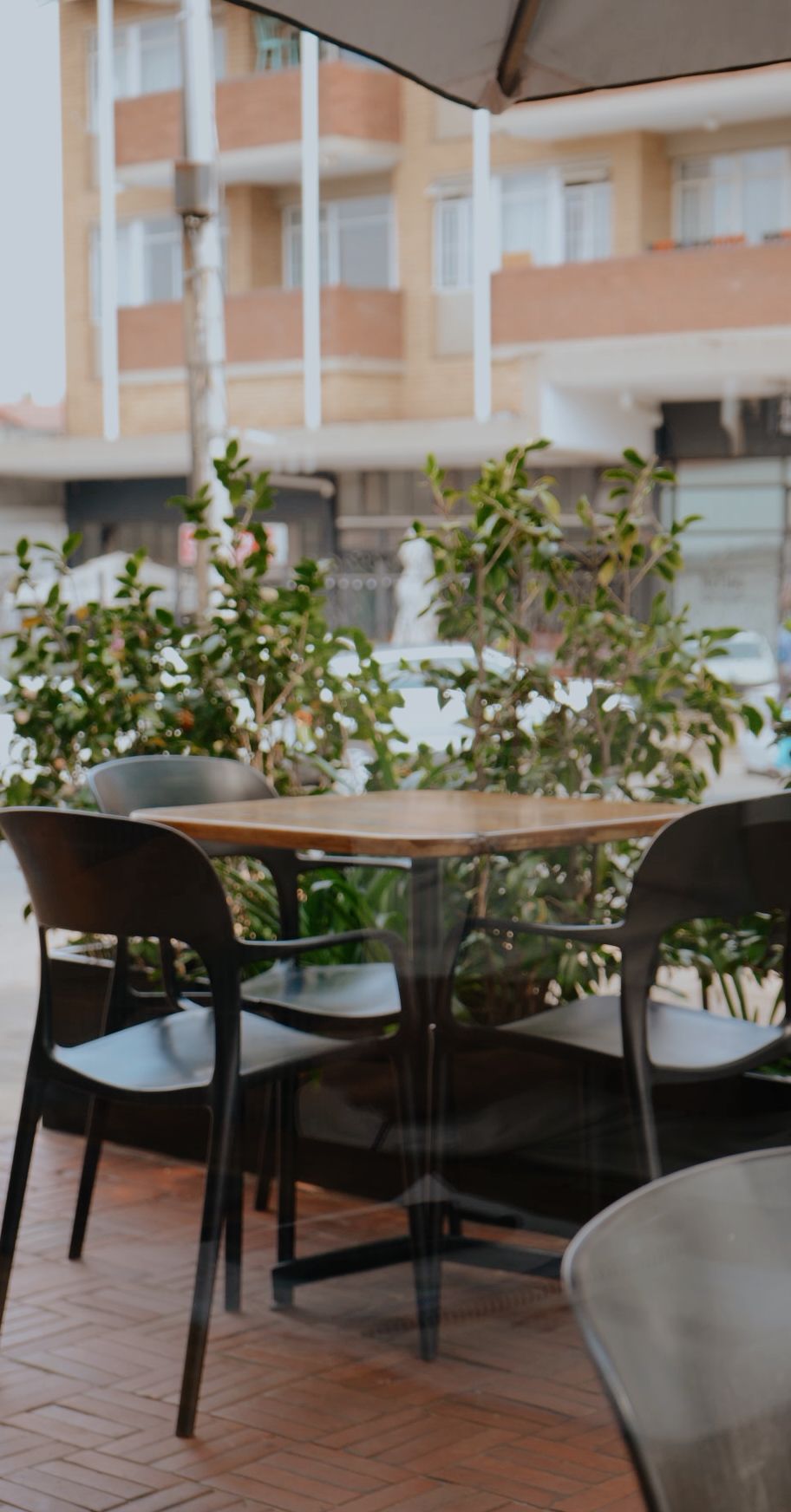

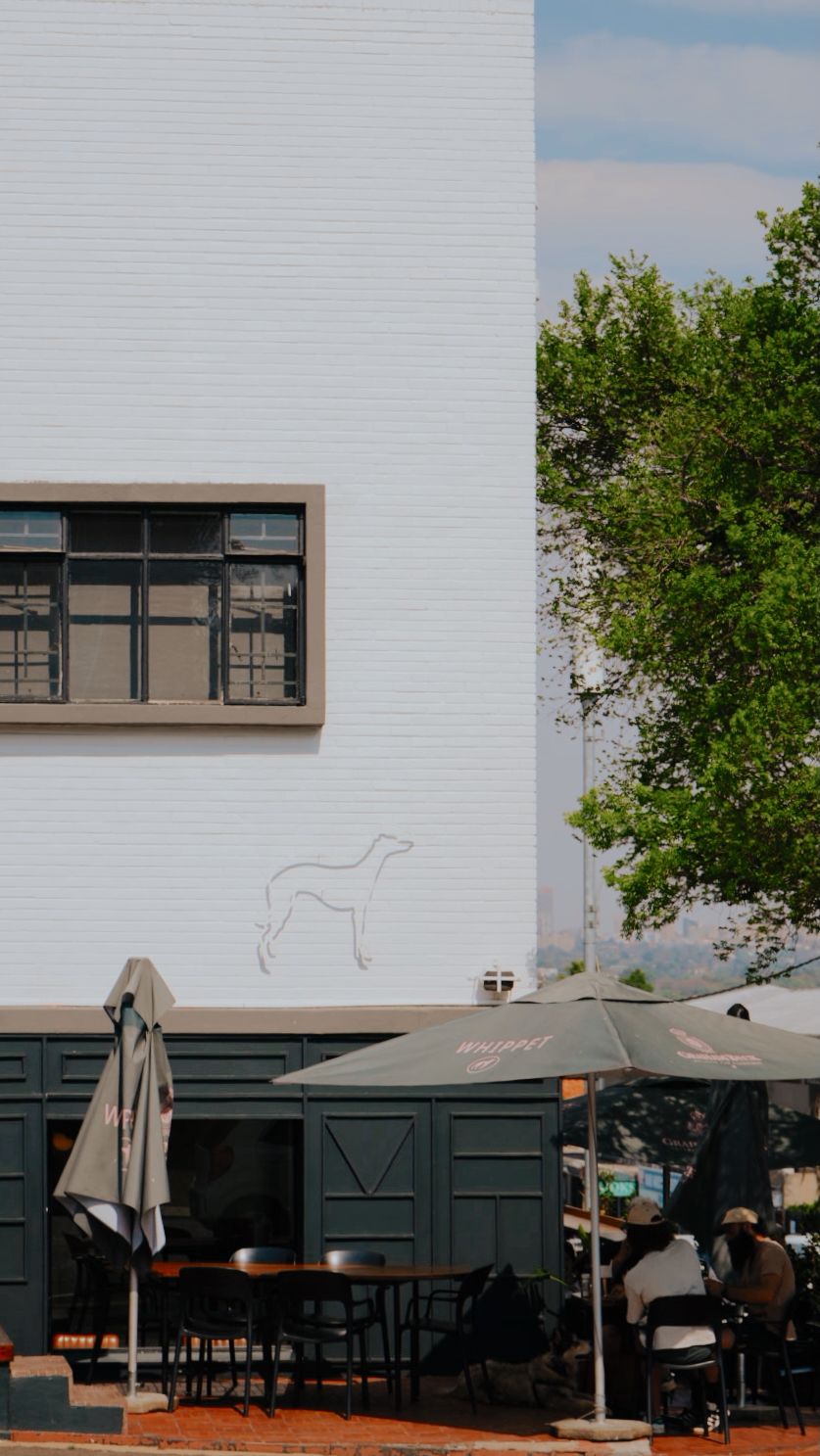
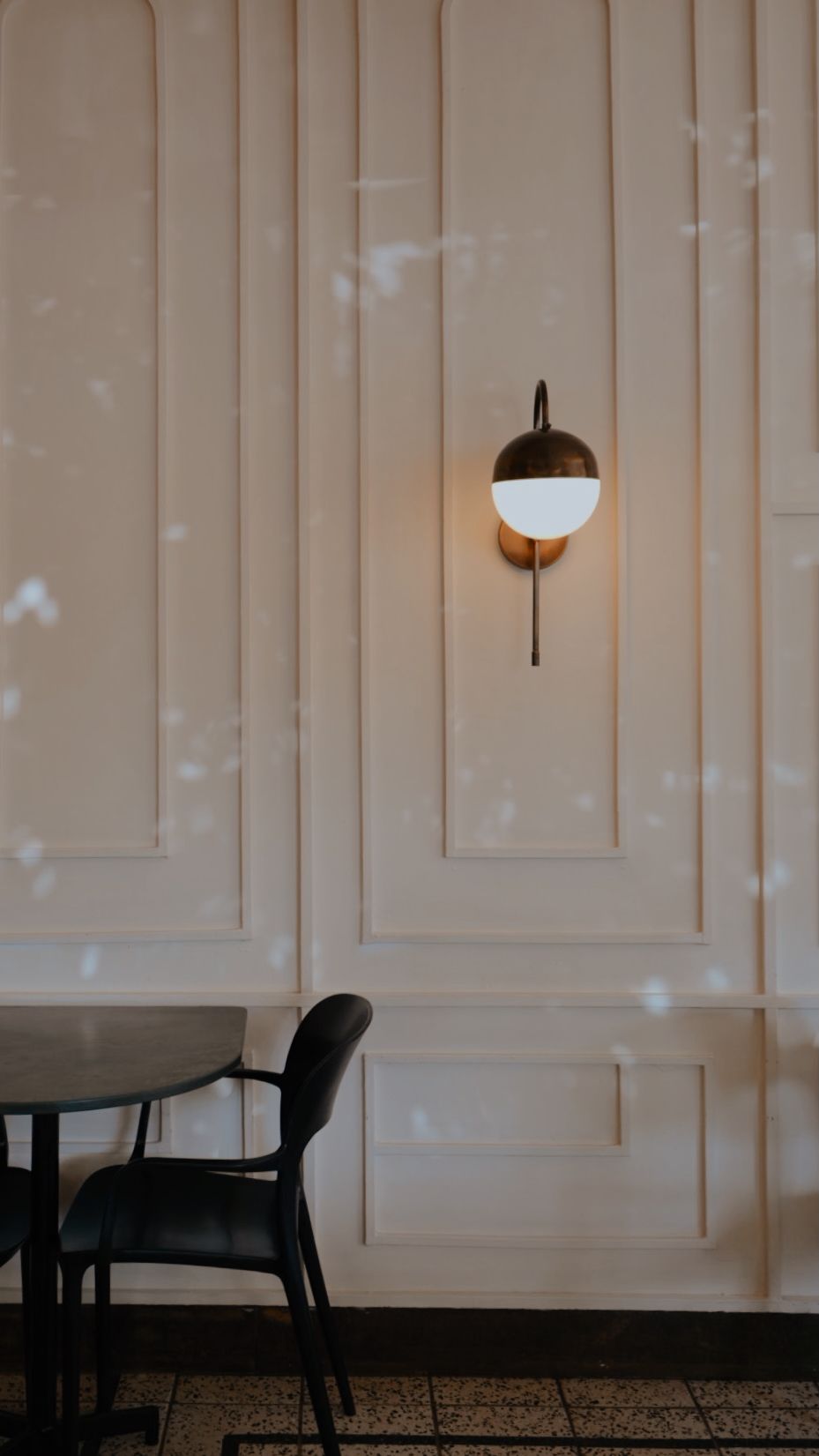
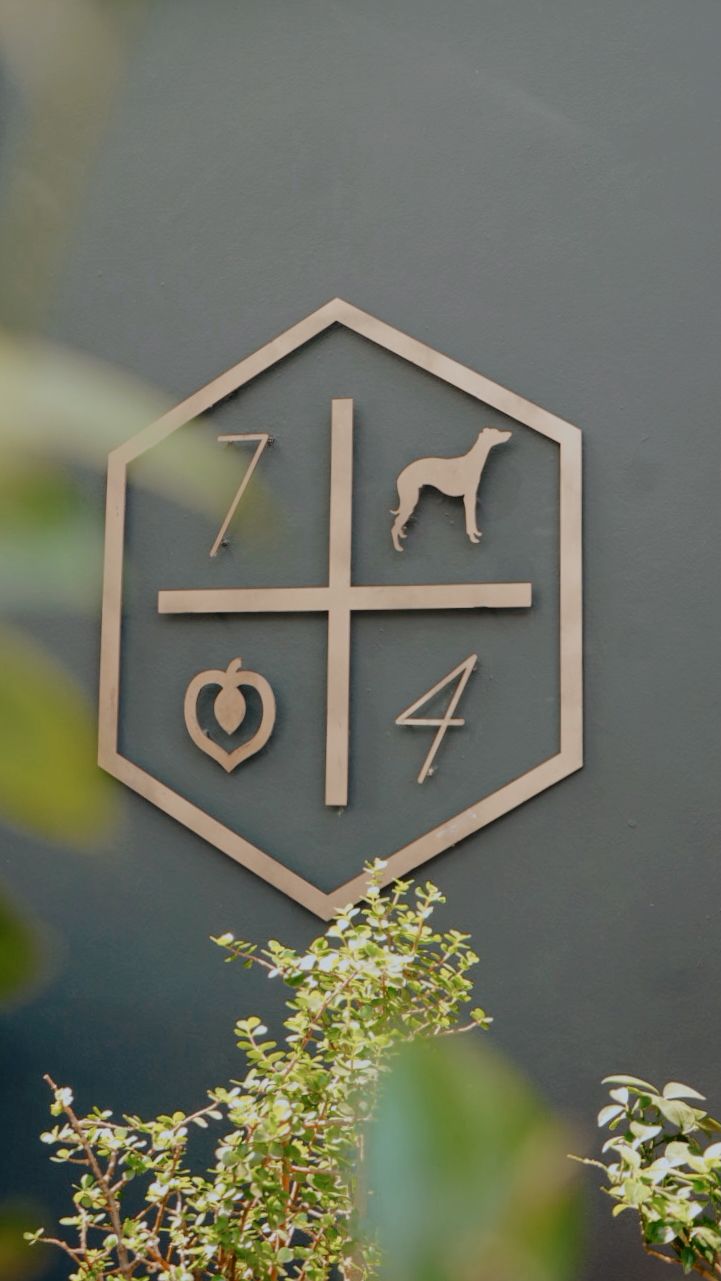
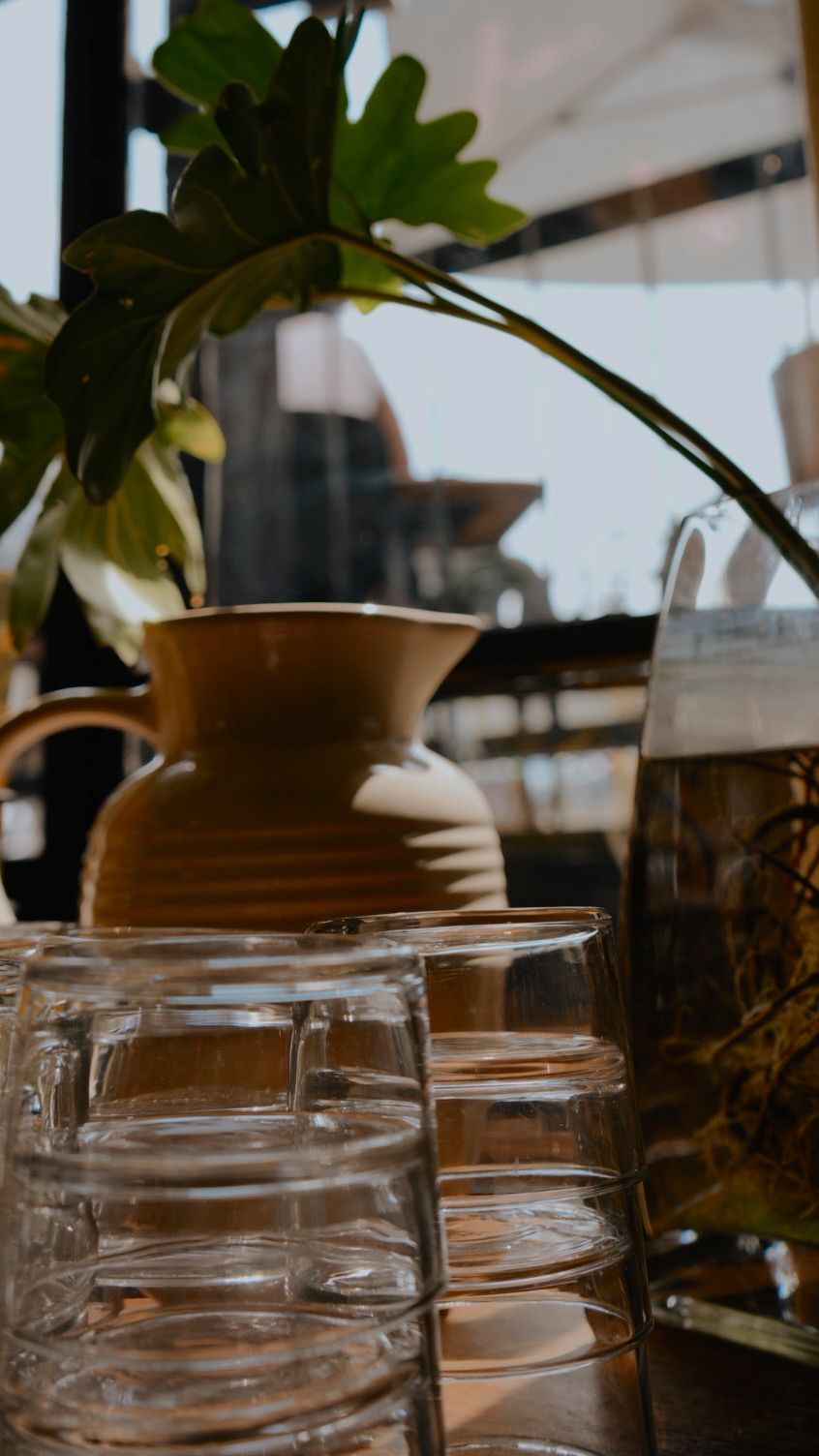
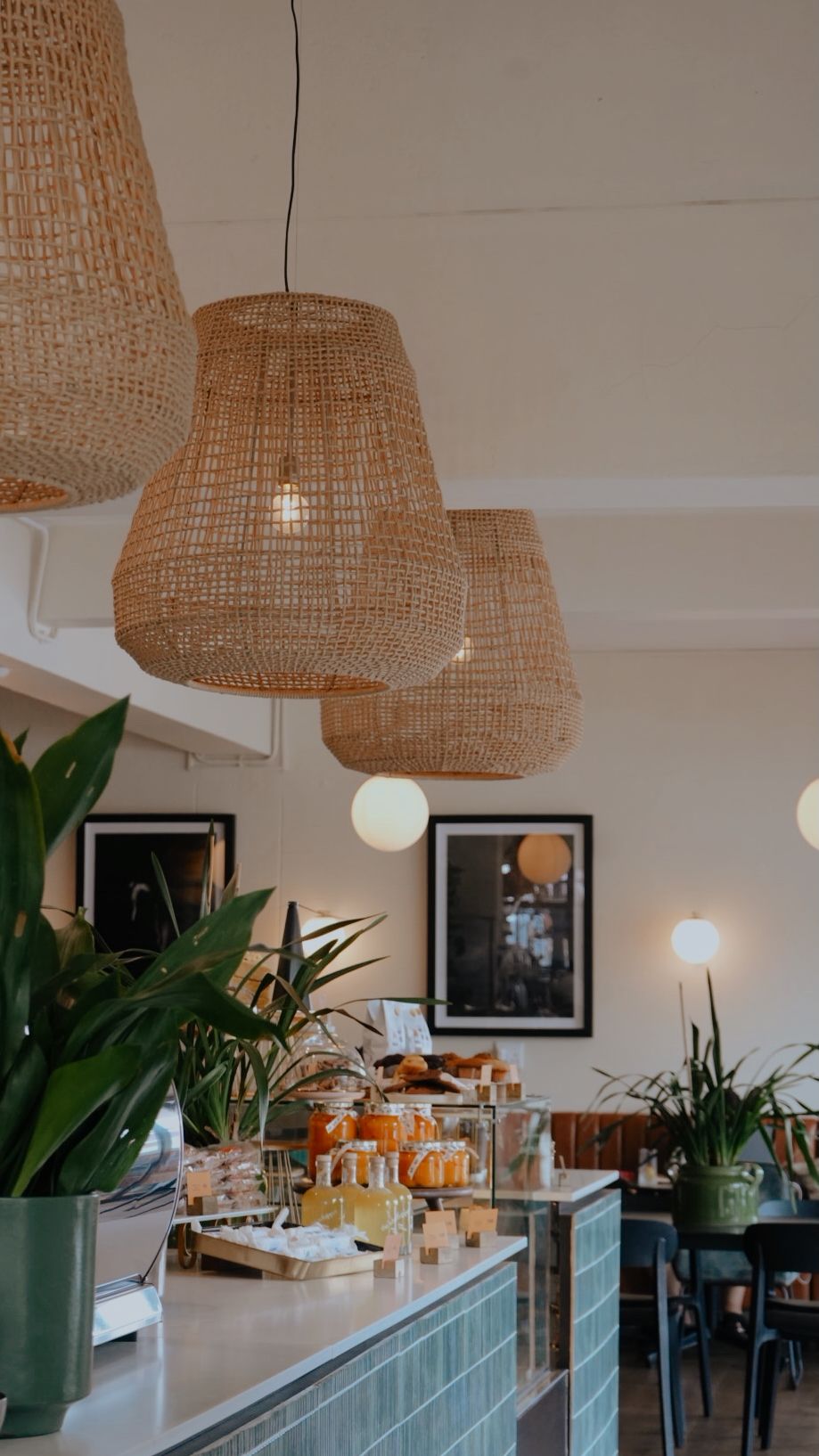
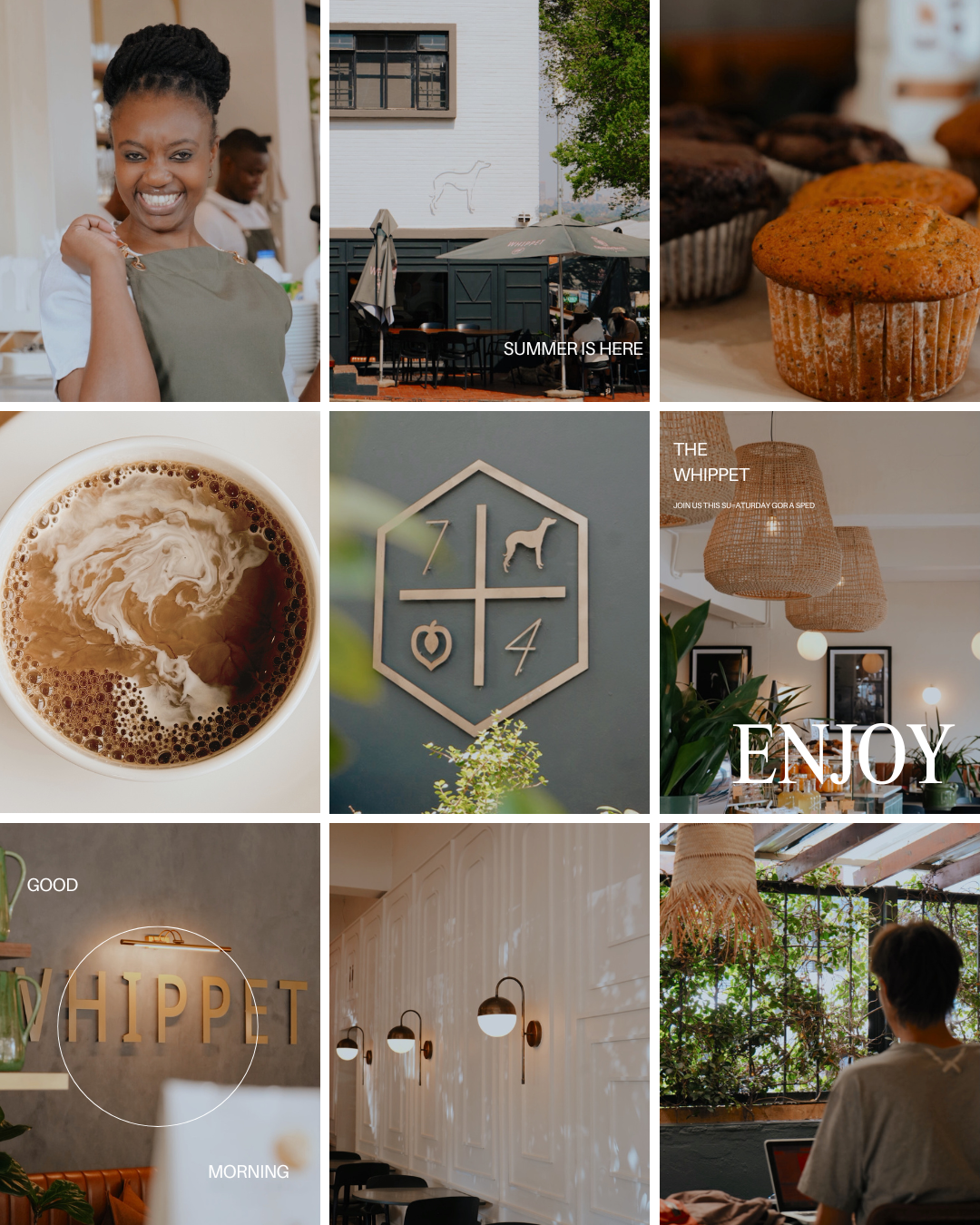
What I noticed during a casual visit to The Whippet
Recently, I visited The Whippet and found myself looking at the space through the lens of restaurant storytelling.
This was not a commissioned shoot.
This was not an official collaboration.
This was simply a casual visit that became a visual study.
I started asking myself:
If someone saw this place online for the first time, what would help them decide to visit?
What stood out was that the restaurant’s value was not only in the food.
- It was in the staff energy.
- The seating options.
- The lighting.
- The interior details.
- The plants.
- The glassware.
- The signage.
- and bookings.
The way people were using the space.
The feeling that this could be a place for a meeting, a coffee, a work session, or a relaxed conversation.
That is the part that many restaurants do not translate well online.
They may have a strong experience in real life, but their content only shows the menu.
That creates a gap
And in marketing, a gap between the real experience and the digital presentation can cost attention, trust,
A restaurant is not just a kitchen
One of the biggest mistakes restaurants make online is acting as if people care only about food.
People care about food, yes.
But they also care about context.
They care about where they will sit.
How the space feels.
Whether they can bring someone there.
Whether the atmosphere suits the occasion.
Whether the brand feels consistent.
Whether the place feels worth the price.
A restaurant is not just a kitchen.
It is a social space.
A business meeting space.
A celebration space.
A date-night space.
A quiet coffee space.
A place where people create small memories.
Your content should show that.
When people choose a restaurant, they are not only choosing what to eat. They are choosing the kind of moment they want to have.
Restaurant content should work like a decision-making tool
A strong restaurant content system should do four things:
1. Create appetite
The food must look fresh, well-prepared, and desirable.
2. Build trust
The space must feel clean, professional, and consistent.
3. Show the experience
People need to understand what it feels like to sit there, order there, meet there, or spend time there.
4. Give people a reason to act
The content should make someone want to book, visit, order, save the post, share it, or recommend the place.
If the content does not move people closer to action, it may be visible, but it is not working hard enough.
This is the difference between posting and positioning.
Posting says:
“Here is what we have.”
Positioning says:
“Here is why this matters to the person we want to attract.”
Restaurants need more of the second.
The business lesson
The lesson is simple:
Restaurants need to stop thinking of content as proof that food exists.
They need to start thinking of content as a tool that helps people choose.
Because customers are not short of options. They are short of certainty.
They want to feel confident that the place they choose will match the moment they are planning.
Your content can either create that confidence or leave them unsure.
And when people are unsure, they scroll, delay, or choose somewhere else.
The uMuntu Spaces approach
At uMuntu Spaces, restaurant content is not only about taking attractive food photos.
The question is bigger than that.
What does the restaurant need people to understand?
What kind of customer is it trying to attract?
What moments does the space support?
What does the restaurant want to be known for?
What is currently being missed in the way it shows up online?
That is where photography becomes strategy.
The camera is not just there to capture what is visible. It is there to translate the value of the experience.
Food.
Space.
Service.
Mood.
Detail.
Trust.
Reason to visit.
That is what restaurant storytelling should do.
Final thought
Most restaurant content shows the food.
The best restaurant content helps people decide.
It answers the silent questions.
It reduces hesitation.
It communicates the experience.
It shows the value beyond the plate.
Food creates appetite.
But experience-led storytelling creates the reason to visit.
And in a competitive restaurant market, that difference matters.
Note
This article is a visual study inspired by a casual visit to The Whippet. It is not a commissioned shoot or official collaboration. The images and reflections are used to explore how restaurant content can communicate atmosphere, experience, trust, and decision-making.