
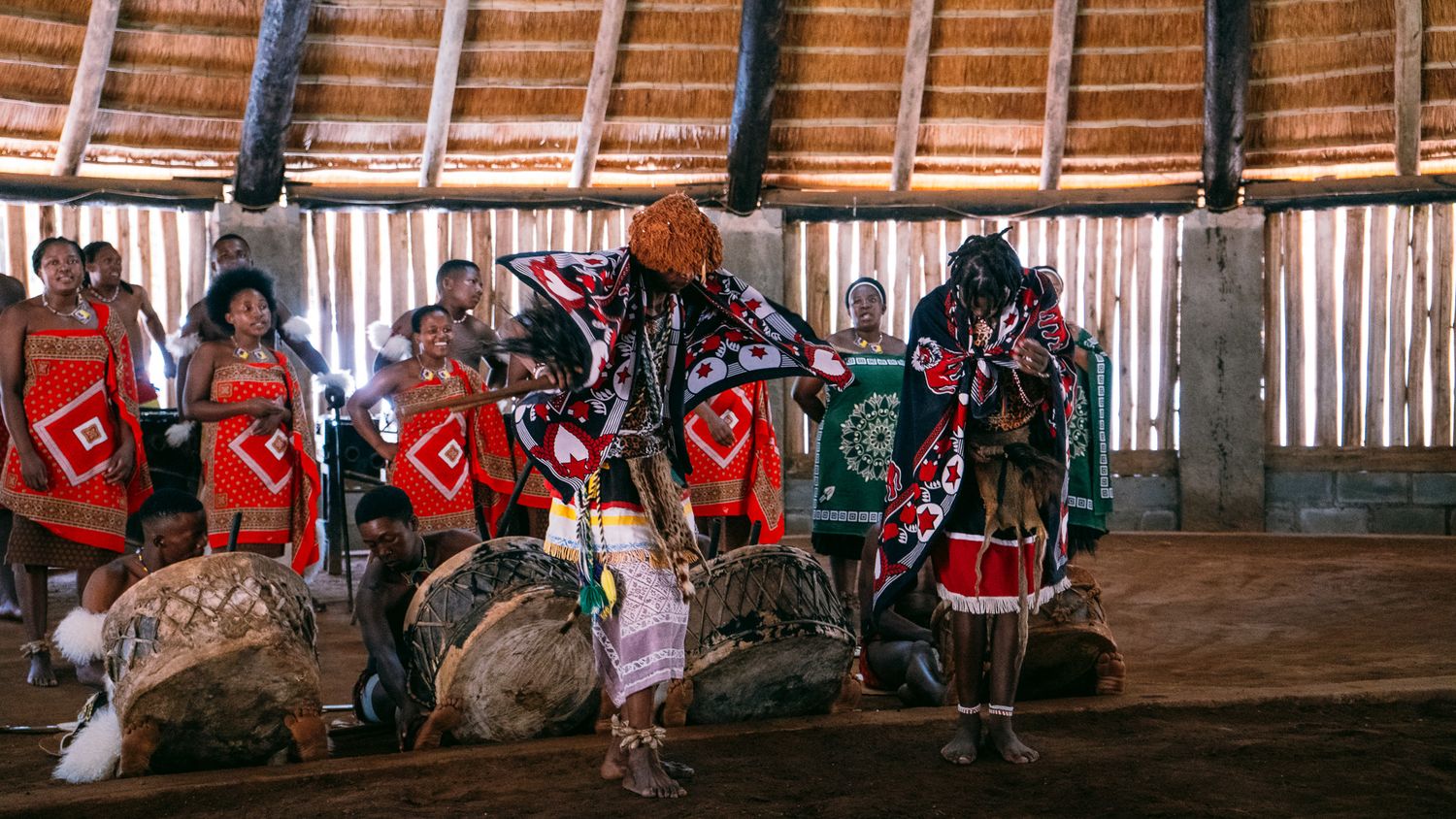
A visual reflection from Eswatini on culture, storytelling, and responsible destination marketing
There is a way tourism content sometimes treats culture that makes me uncomfortable.
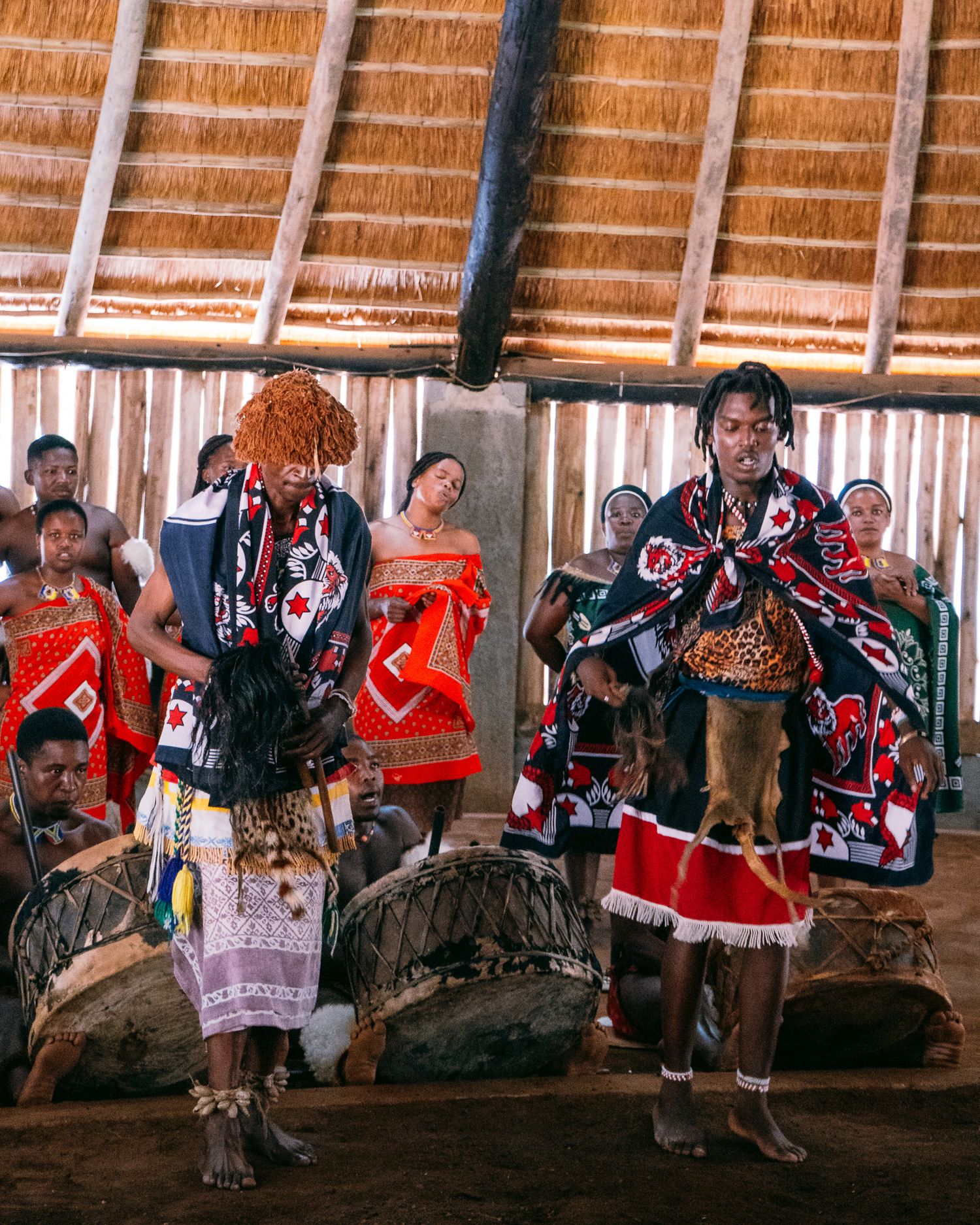
A dancer becomes colour. A drum becomes atmosphere. Traditional architecture becomes texture. A ceremony becomes a clip for engagement. A person in cultural dress becomes a beautiful frame, but not a human being carrying history, meaning, and belonging.
The image may be beautiful.
But beauty without context can become careless.
This is the danger in tourism marketing. In the rush to make a destination look interesting, culture can easily become decoration. Something is placed behind the traveller to make the experience feel more “authentic.” Something used to add flavour to a campaign, without slowing down to ask what is being shown, who it belongs to, and what story deserves to travel with the image.
That is why this conversation matters.
Culture is not a backdrop.
It is the experience.
What Eswatini reminded me
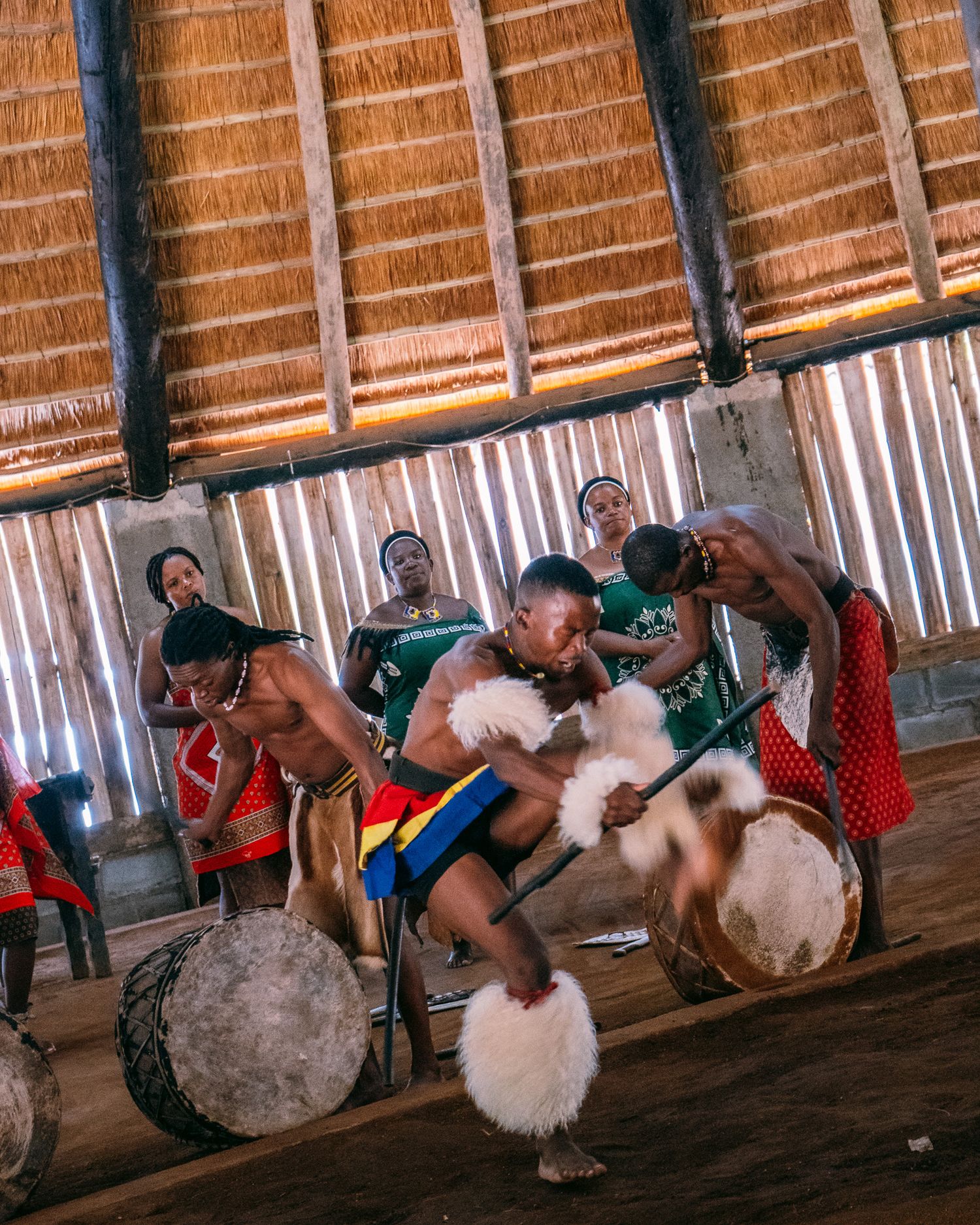
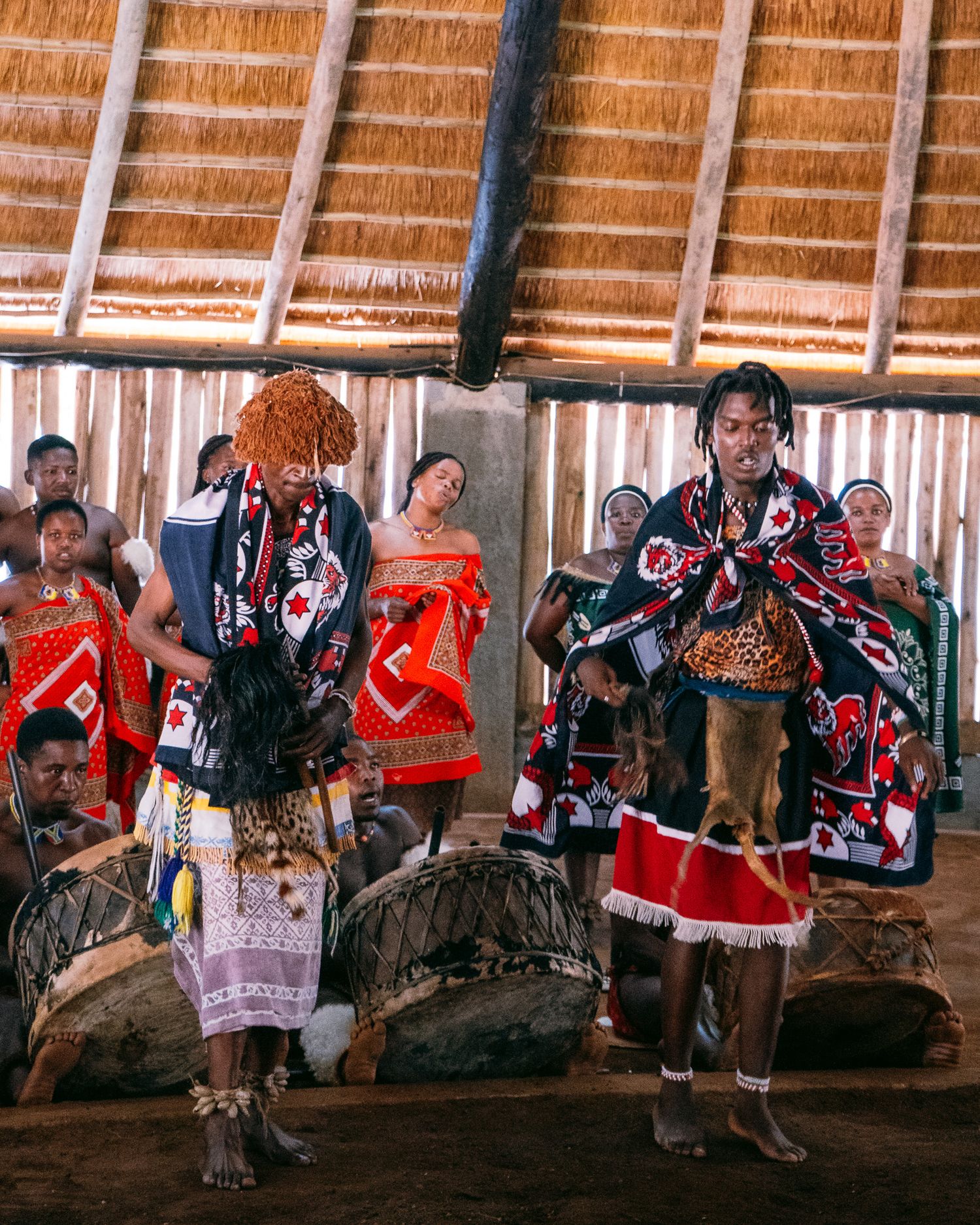
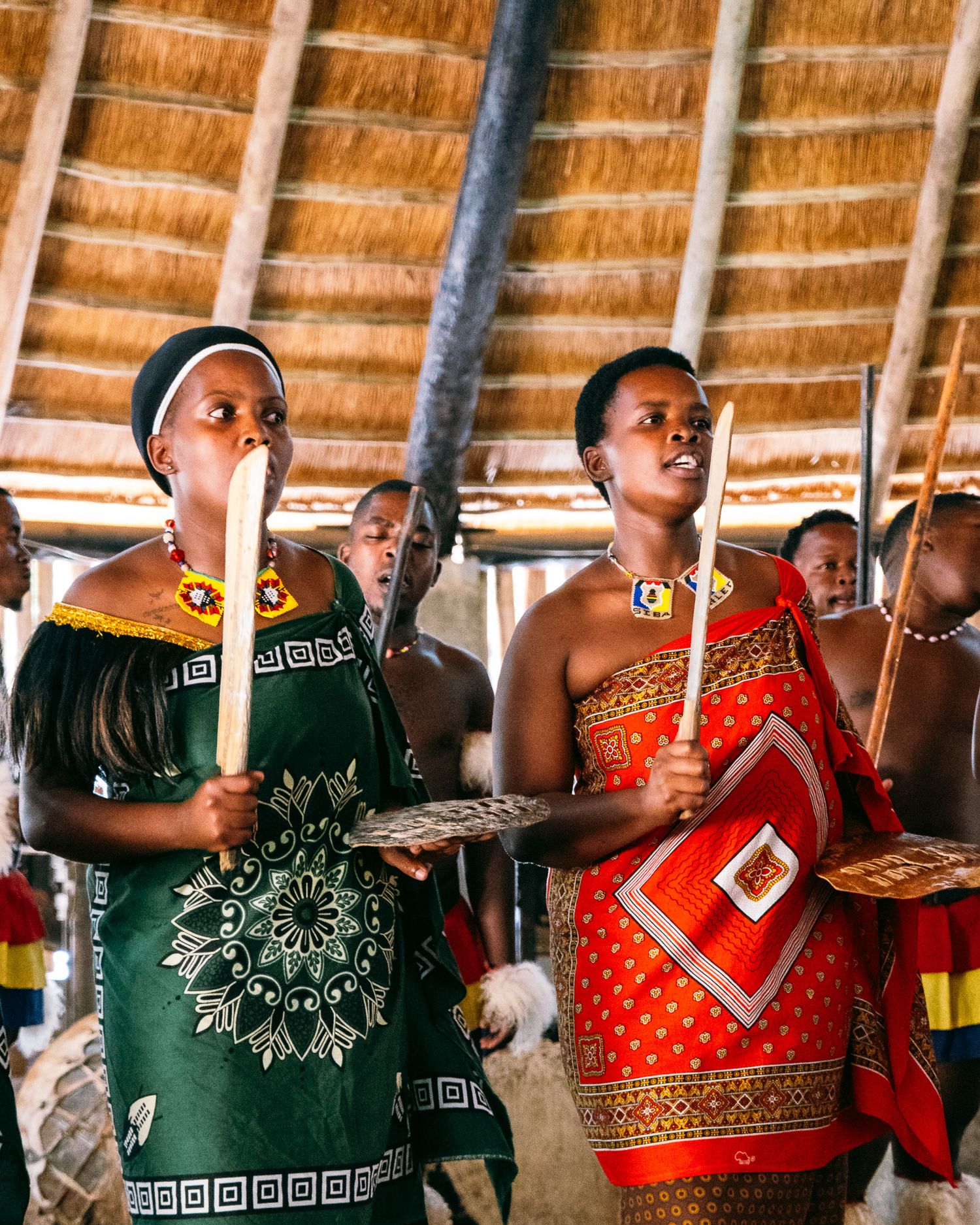
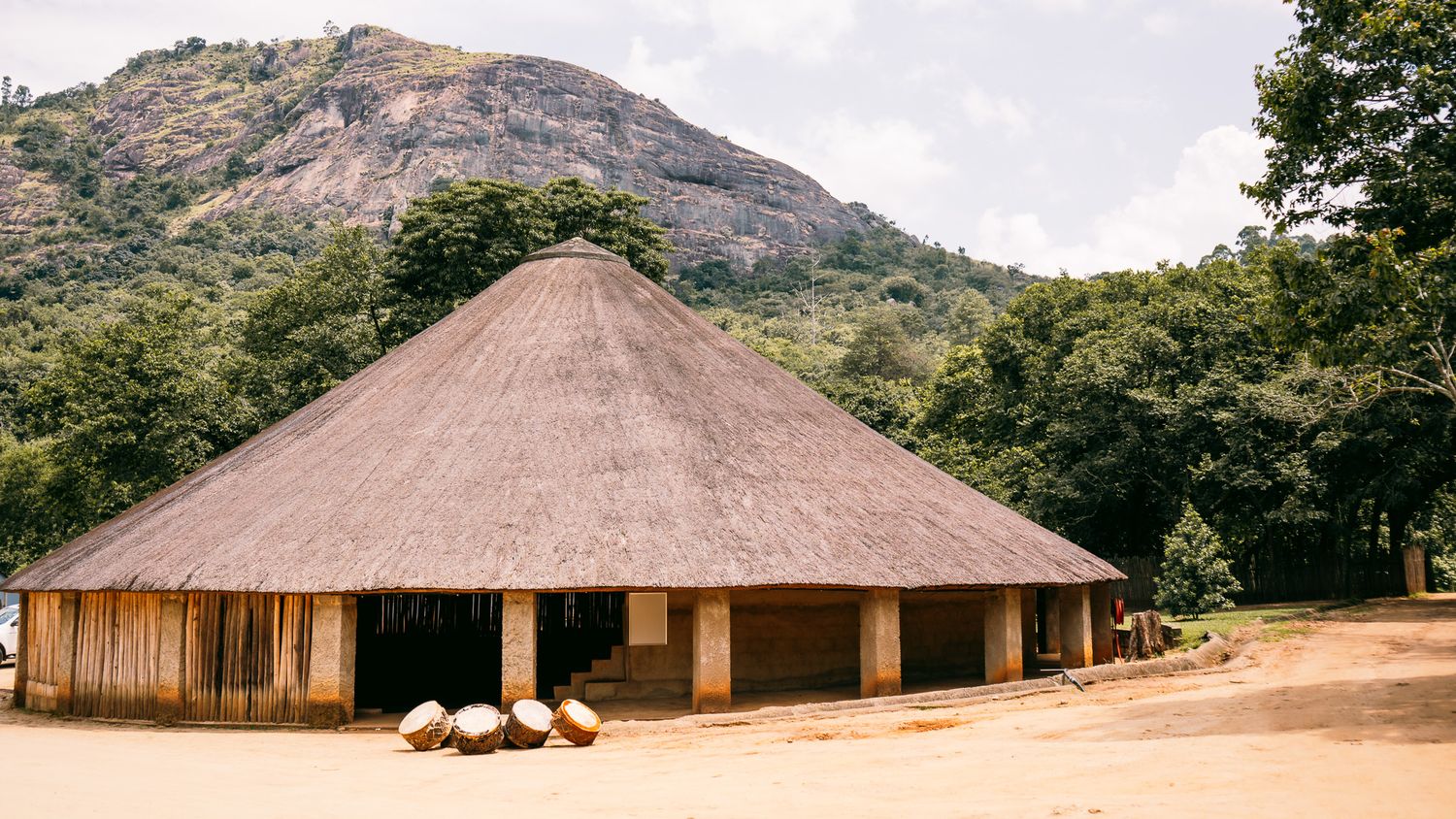
During my visit to Eswatini, I kept thinking about how much of tourism lives in the things that cannot be reduced to a simple caption.
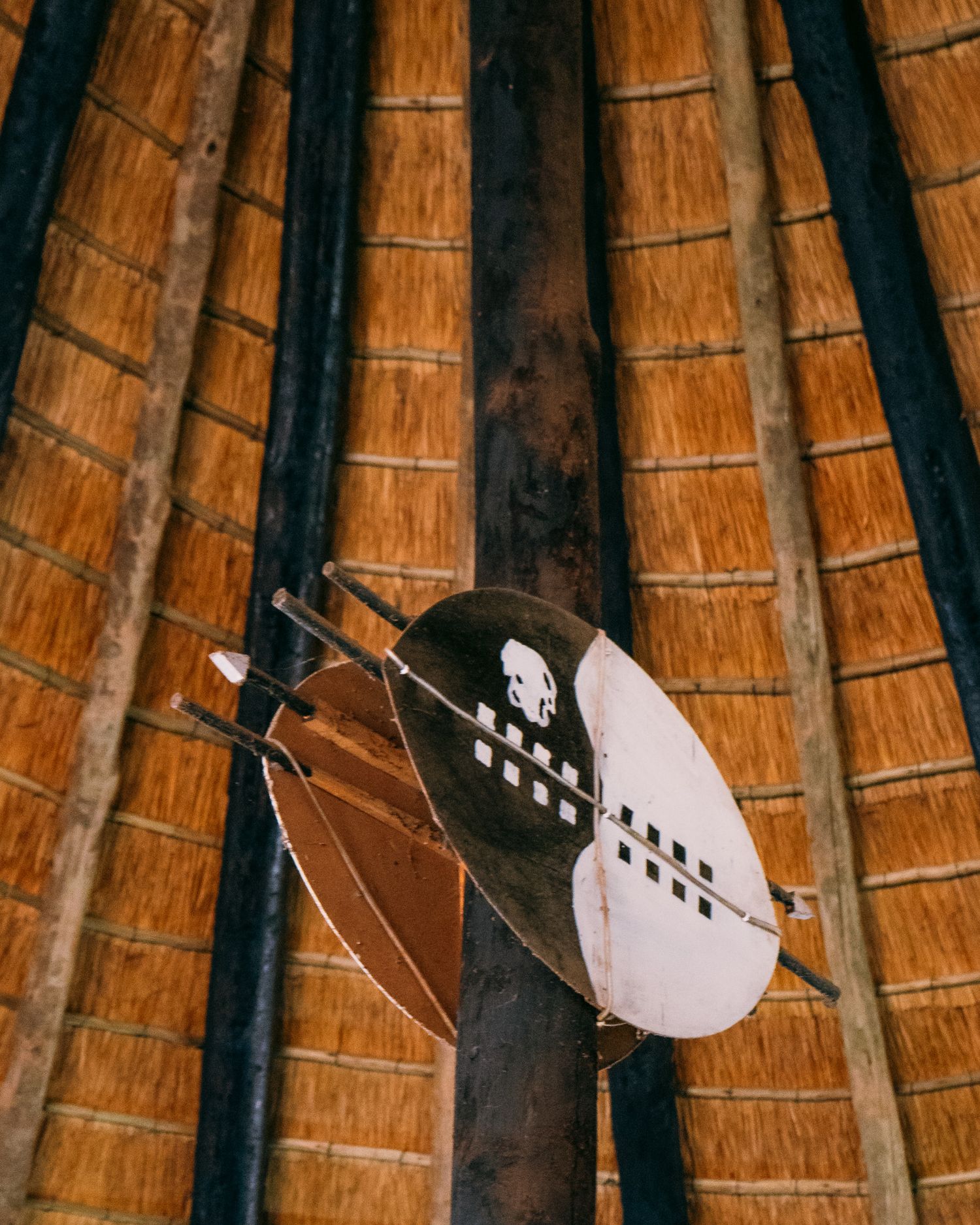
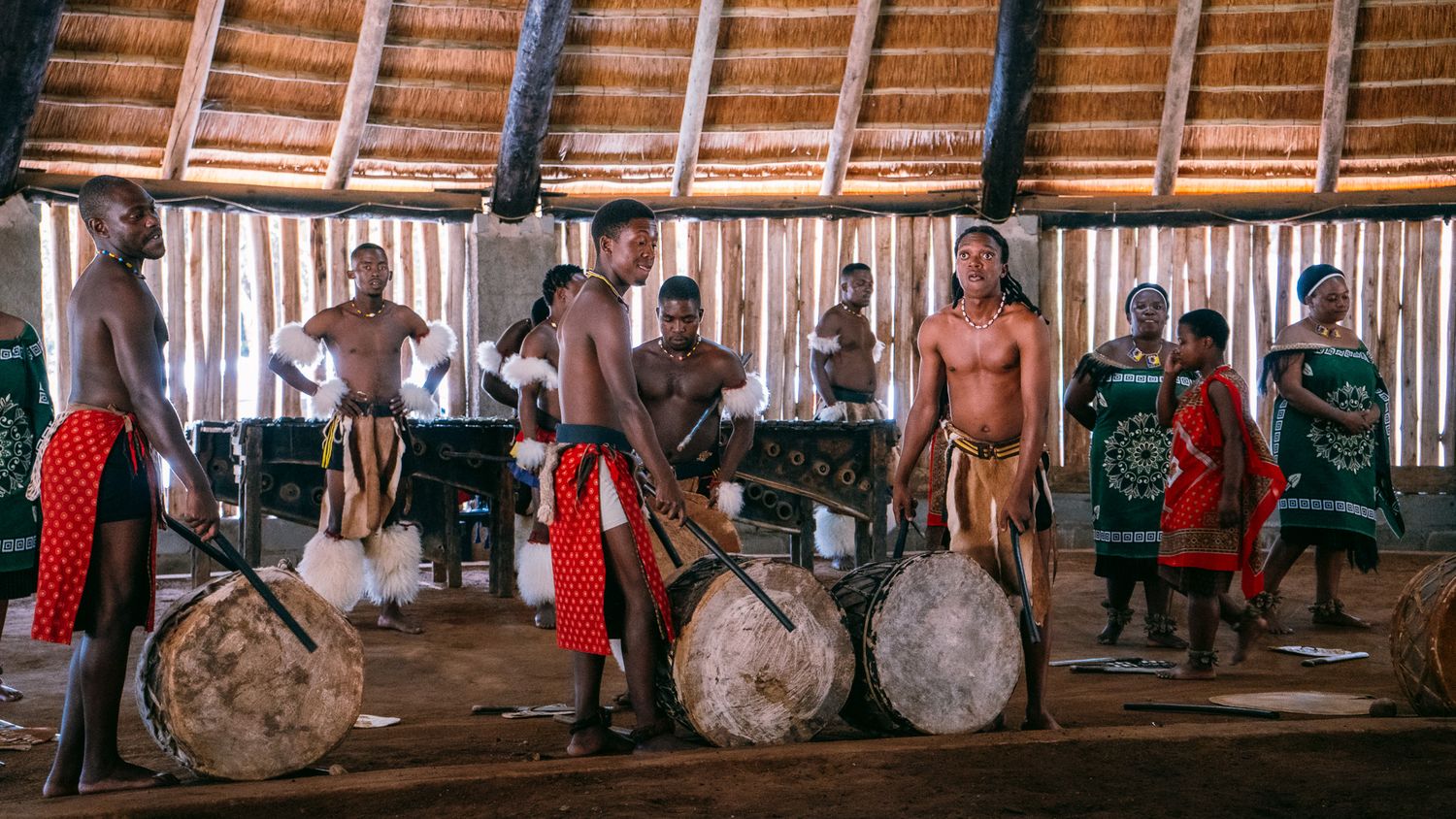
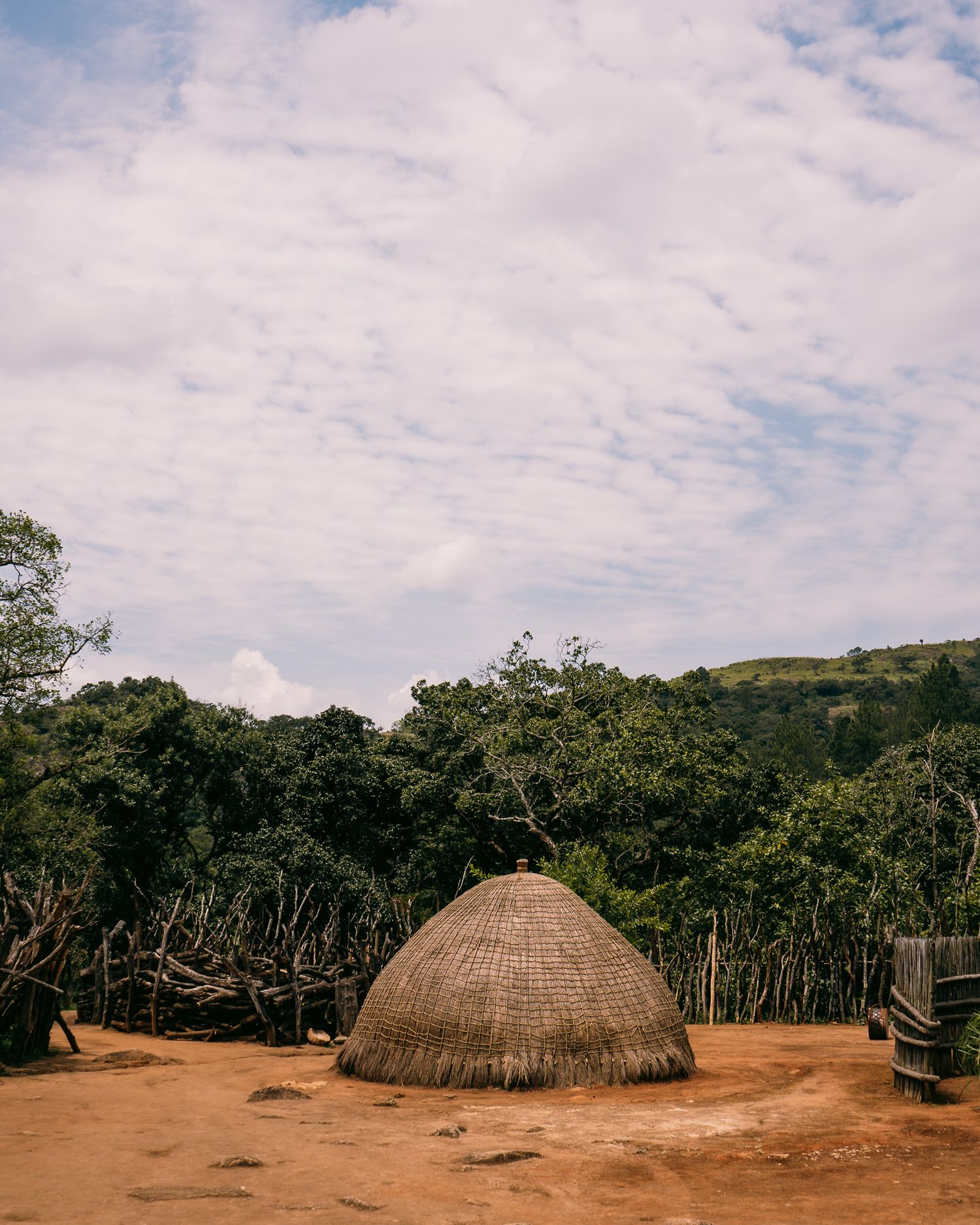
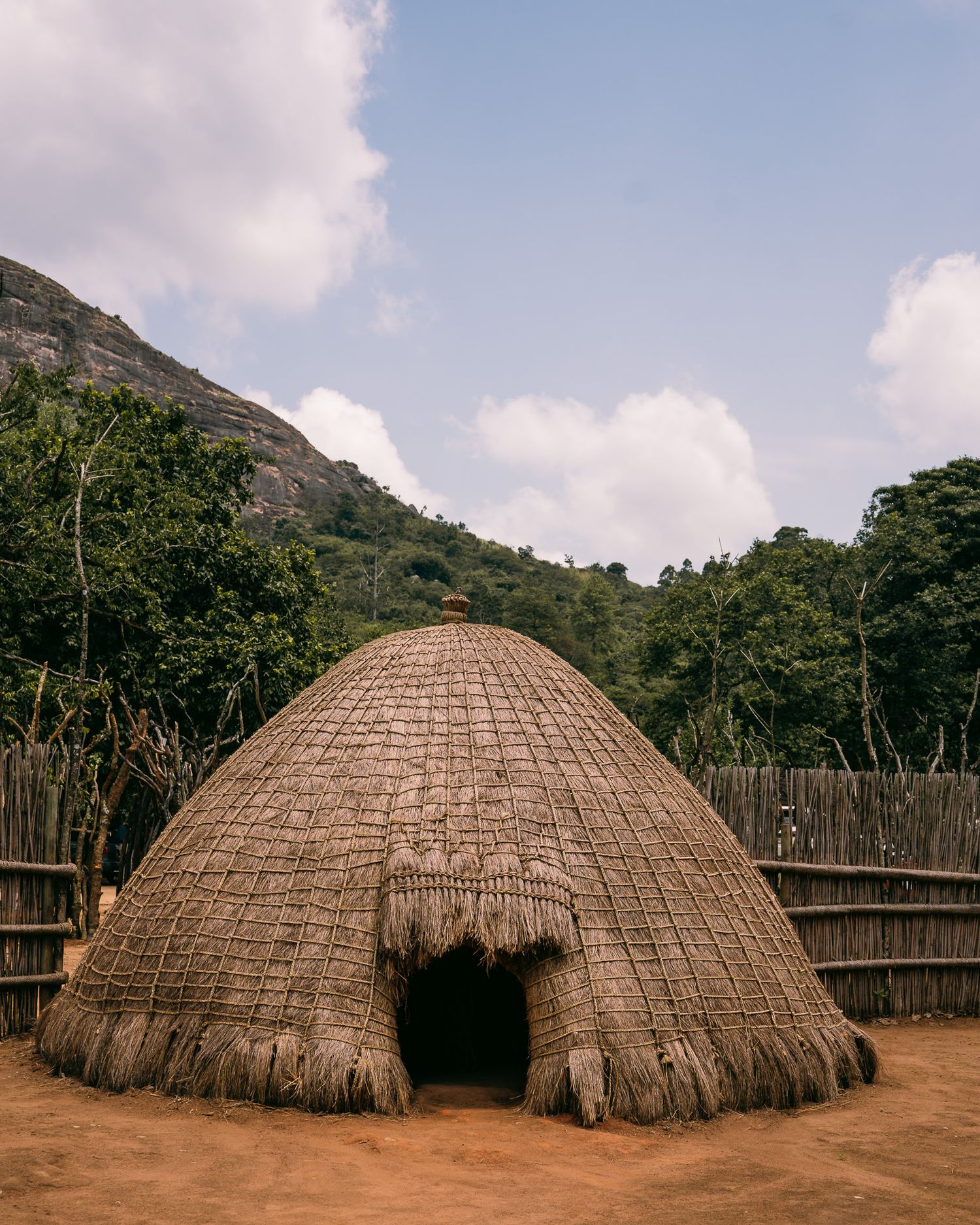
The architecture. The drums. The movement. The clothing. The performance. The pathways. The landscape. The way spaces are built. The way people gather. The way tradition sits inside the present without asking for permission.
There is a lot to photograph. But there is also a lot to respect. That is the tension every tourism storyteller must understand.
It is easy to capture what looks visually striking. It is harder to communicate why it matters.
And if tourism content only captures what looks interesting, without giving context, it risks turning culture into scenery.
Eswatini reminded me that cultural content needs more than good composition. It needs care.



The problem with “authentic” content
Tourism brands love the word “authentic.”
Authentic food. Authentic village experience. Authentic dance. Authentic culture. Authentic local encounter.
The word is everywhere.
But sometimes “authentic” becomes a lazy shortcut. It tells the audience that something is meaningful without actually explaining the meaning. It asks people to consume the experience emotionally, but not understand it deeply.
That is where content becomes thin.
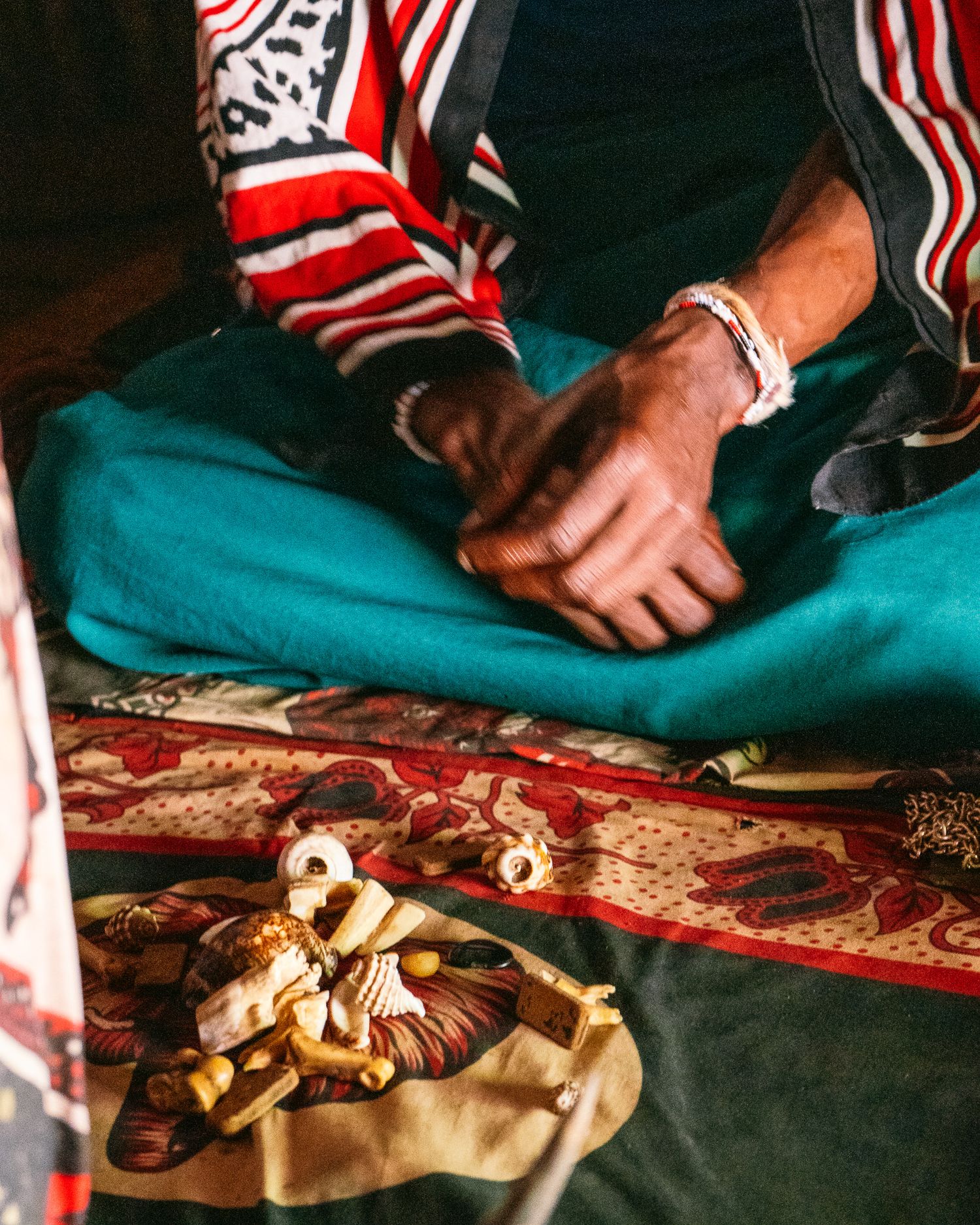
A performance is not just movement. It may carry ceremony, history, pride, teaching, identity, or social meaning.
Traditional architecture is not just a rustic backdrop. It may reveal how people understand space, climate, community, family, material, and memory.
Craft is not just souvenir content. It can be labour, inheritance, skill, survival, design, and economy.
When content ignores this, it flattens the destination.
It gives the viewer something to look at, but very little to learn.
Context does not kill beauty. It deepens it.
Some people think context makes content heavy.
I disagree.
Context makes content more valuable.
A photo of a drum is beautiful. A photo of a drum with a story becomes memorable.
A dance clip is engaging. A dance clip with context becomes respectful.
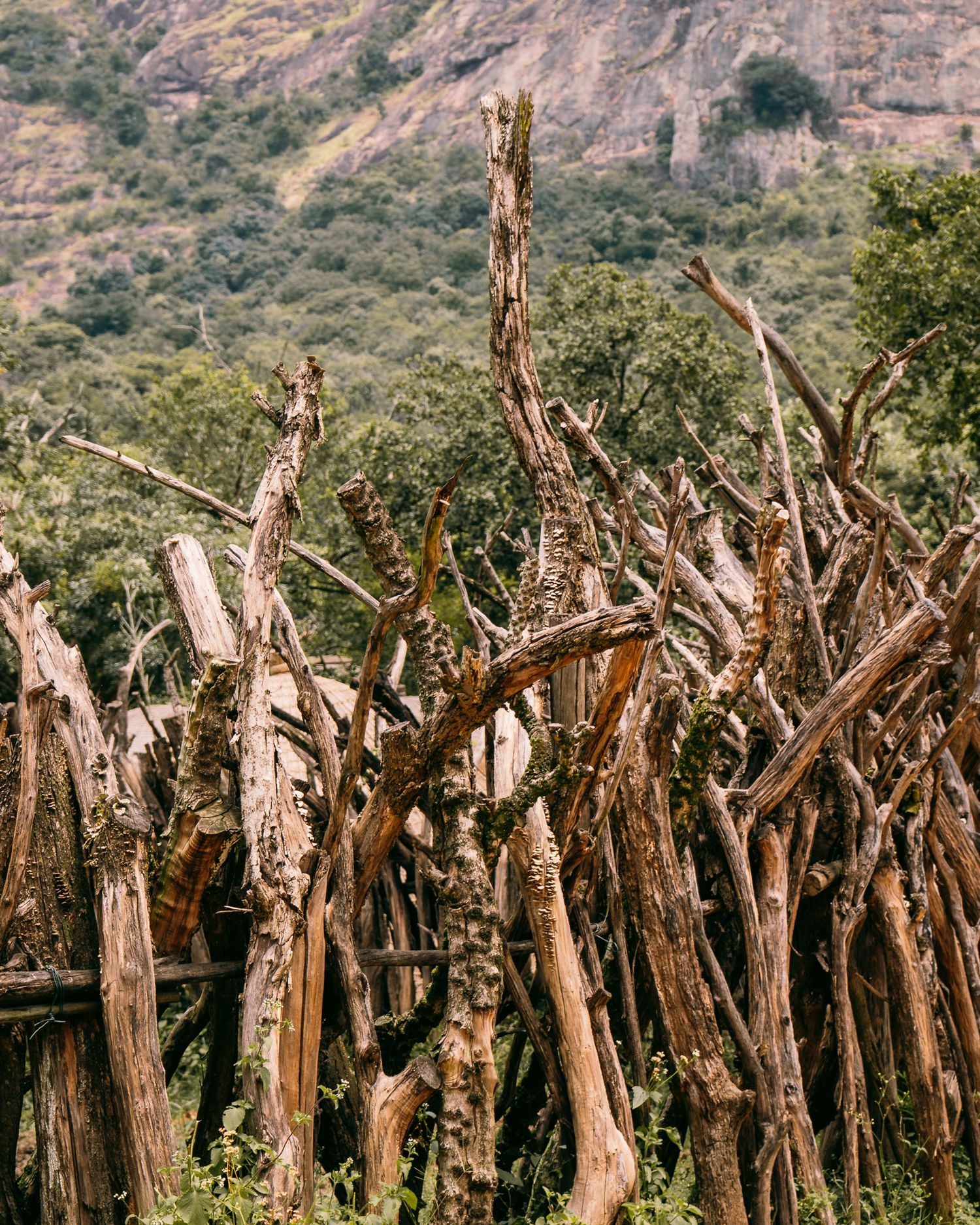
A cultural village can be visually striking. A cultural village explained with care becomes an invitation to understand a place, not just consume it.
The goal is not to turn every caption into a history lecture. Tourism content still needs rhythm, lightness, curiosity, and feeling. But if a brand is going to use culture to sell a destination, it should also take responsibility for helping people understand what they are seeing.
That is the difference between using culture and honouring it.
African tourism brands have a responsibility and an opportunity
This is especially important for African tourism.
The continent is not short of cultural richness. We have language, dress, food, music, ritual, architecture, craft, oral history, spirituality, landscapes, and ways of gathering that carry deep meaning.
But African tourism is often packaged for the outside gaze.
Sometimes the content is made to satisfy what the tourist expects to see, rather than what the place deserves to say.
That is where we have to be careful.
Culture should not be presented only as spectacle. It should not only exist in tourism content when it looks colourful, dramatic, or exotic enough to hold attention.
The opportunity is bigger than that.
African tourism brands can teach the world how to tell culture with dignity, intelligence, and beauty at the same time.
Not by making everything academic.
Not by removing joy.
But by refusing to make culture feel disposable.
What tourism brands should ask before posting cultural content
Before a tourism brand posts cultural content, it should ask better questions. Not only does this look good?
Also:
Do we understand what we are showing?
Have we named it correctly?
Are we giving enough context?
Are we representing people with dignity?
Are we showing culture as living, not frozen?
Are we using this image to deepen understanding, or only to decorate the feed?
Would the people connected to this culture feel respected by how we are presenting it?
These questions matter because tourism content travels fast. Once an image is published, it begins teaching people how to see a place.
That is power.
And power needs responsibility.
The uMuntu Spaces point of view
At uMuntu Spaces, I am interested in tourism content that does more than attract attention.
I want content that builds memory, trust, and understanding.
That means culture cannot simply be used as an aesthetic layer. It has to be handled as part of the destination’s meaning.
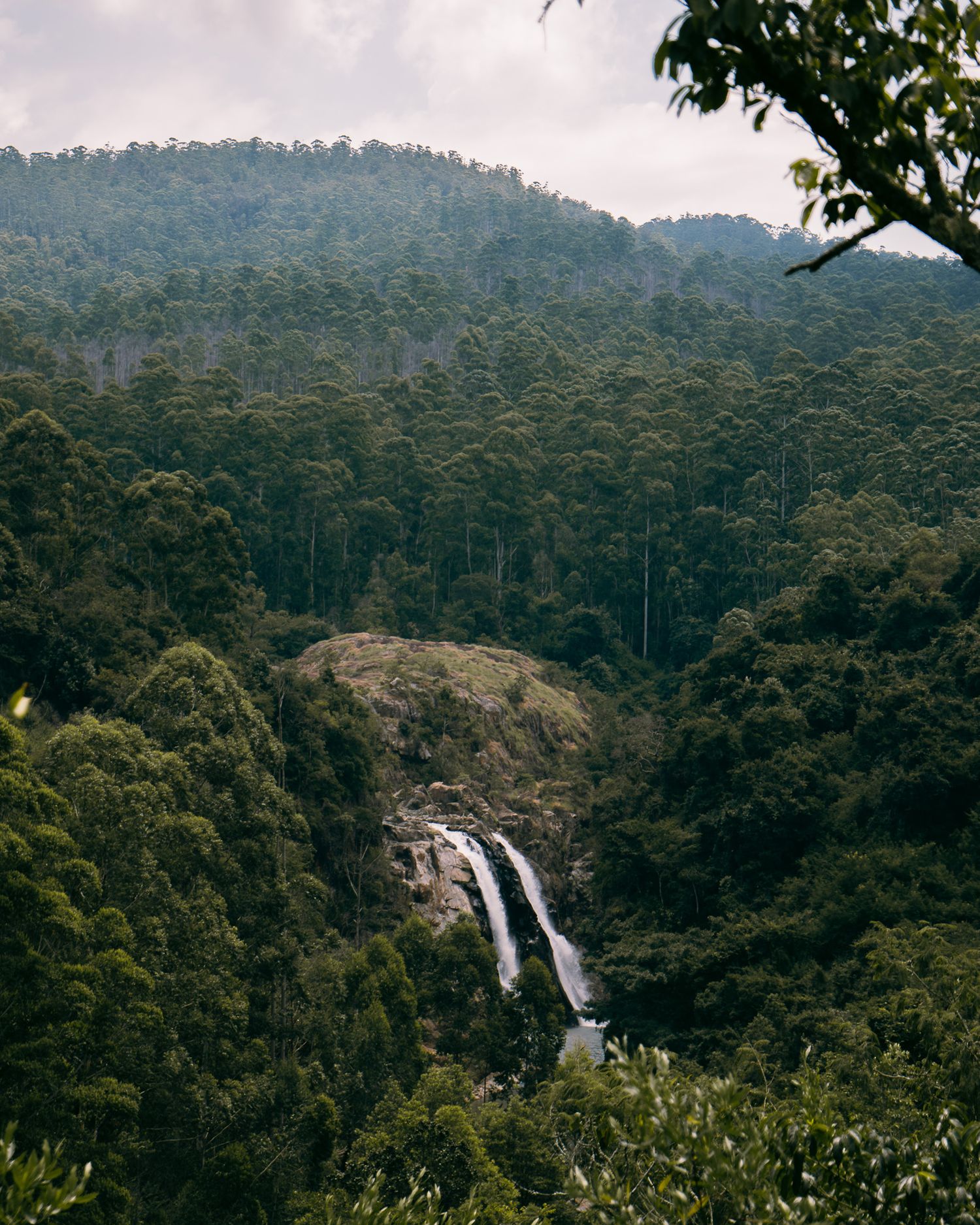
A strong tourism brand should know how to show the beach, the room, the food, and the view. But it should also know how to show people, tradition, craft, sound, movement, architecture, and place with enough care that the audience does not just say, “That looks beautiful.”
They should also ask, “What is the story behind this?”
That is where content becomes more than marketing.
It becomes a bridge.
In a nutshell,
Culture is not a backdrop.
It is not there to decorate the traveller’s experience.
It is the memory, the context, the identity, and often the reason a destination feels different from anywhere else.
Eswatini reminded me that tourism content should not only make culture visible. It should make it understandable.
Because when culture is used without context, it becomes content.
But when it is handled with care, it becomes memory.
If you run a tourism, hospitality, lodge, hotel, guesthouse, or destination brand, uMuntu Spaces helps you create visual stories that show culture, place, people, and experience with clarity, dignity, and intention.
Work with uMuntu Spaces to build tourism content that does more than attract attention.
Let it carry meaning.